

- 806 Views
- 26 Min Read
- (2) Comments
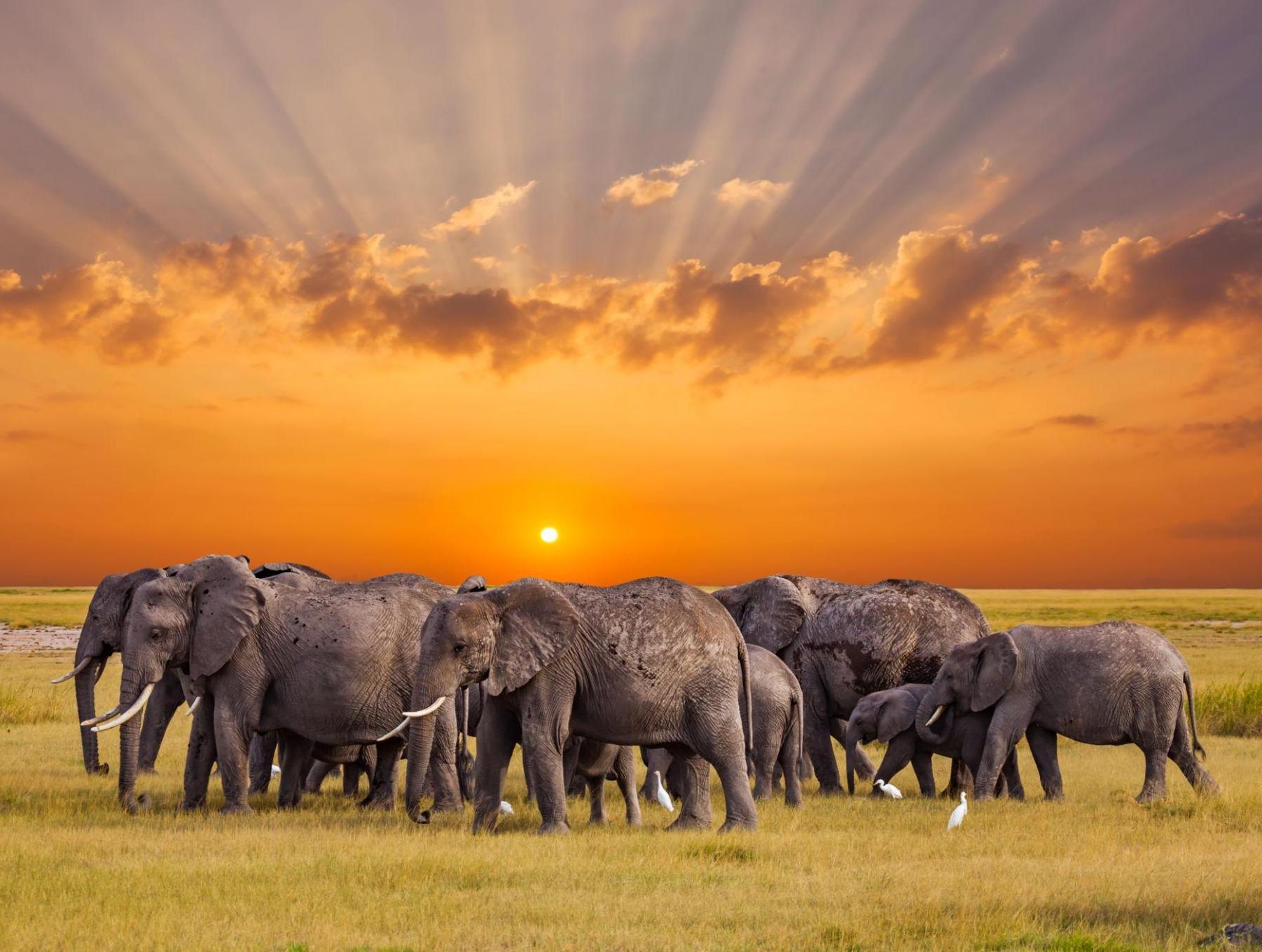
Across Africa’s vast savannas, woodlands and protected landscapes, five extraordinary animals have become internationally recognized symbols of the safari experience: the African elephant, lion, leopard, rhinoceros and African buffalo.
Collectively known as the African Big Five, these animals attract wildlife enthusiasts, photographers, conservation supporters and travellers seeking an unforgettable encounter with nature.
Yet their significance extends far beyond their popularity among visitors.
The Big Five represent a remarkable change in how wildlife can be valued. The term originated in the era of big-game hunting, when these animals were considered among the most dangerous and challenging to hunt on foot. Today, they are celebrated primarily as living animals whose survival can support conservation programmes, tourism businesses, scientific research and community livelihoods.
This transformation is neither complete nor guaranteed. Wildlife tourism can help finance protected areas and create employment, but poorly managed tourism can disturb animals, concentrate economic benefits in a few hands and leave communities carrying the costs of living alongside dangerous wildlife.
Understanding the Big Five therefore requires looking beyond photographs and sightings. It means examining their ecological roles, the history of wildlife conservation, the economic contribution of safaris, the experiences of communities living near wildlife and the choices travellers make when visiting Africa.
For visitors planning an African safari, it also offers a deeper reason to travel: the opportunity to experience wildlife while supporting tourism that respects animals, habitats and people.
1. What are Africa’s Big Five?

The Big Five consists of five large African mammals, each with distinct behaviour, habitat requirements and conservation challenges.
| Species | Scientific name | Why it matters |
|---|---|---|
| African elephant | Loxodonta africana | Shapes habitats, disperses seeds and influences woodland structure |
| African lion | Panthera leo | A major predator that influences prey populations and food webs |
| African leopard | Panthera pardus | An adaptable, elusive predator that uses a range of habitats |
| African rhinoceros | Diceros bicornis, Ceratotherium simum | Large herbivores whose conservation is closely tied to habitat security and anti-poaching work |
| African buffalo | Syncerus caffer | A major grazer that contributes to grassland dynamics and supports predator–prey relationships |
Note: African rhinoceros refers to both black and white rhinos. Their conservation needs differ, and individual species and populations face different levels of risk.
The five animals are not a biological family or a group that naturally lives together. They were grouped historically because of their reputation among hunters. Their modern identity as a safari and conservation symbol developed later.
Their appeal can help introduce visitors to African wildlife, but the health of an ecosystem cannot be measured by the presence of these five species alone. Birds, reptiles, insects, smaller mammals, plants, wetlands and less celebrated predators also contribute to ecosystem function.
Research published in Animal Conservation has found that ecotourist interest can extend beyond the Big Five to include bird diversity and other wildlife. This reinforces the importance of protecting whole ecosystems rather than focusing exclusively on a handful of famous animals.
2. From hunting trophies to living conservation treasures

The hunting era and the origins of the Big Five
During the colonial era and the expansion of commercial big-game hunting, African wildlife was frequently treated as a resource for sport, prestige and trade. Wealthy hunters travelled to Africa to pursue large animals, while hunting guides and associated businesses developed around these expeditions.
The term Big Five referred to the difficulty and danger of hunting the five species on foot. It did not originally describe a scientific conservation category.
Hunting pressure, habitat change and wider transformations in land use contributed to wildlife declines in different regions. The histories of individual species varied considerably, and conservation responses emerged through a mixture of government regulation, protected-area establishment, research, local initiatives and international advocacy.
The emergence of modern wildlife conservation
As concern grew about declining wildlife populations and habitat destruction, governments, conservationists, researchers and communities developed different approaches to protecting animals and the landscapes they depended on.
Protected areas became increasingly important. National parks and reserves could restrict certain activities, maintain habitat and support wildlife monitoring, although their effectiveness depended on funding, enforcement, land rights and relationships with neighbouring communities.
International conservation institutions also developed. The International Union for Conservation of Nature (IUCN), founded in 1948, became an important source of scientific knowledge and international cooperation on nature protection. The World Wide Fund for Nature (WWF) was established in 1961 to help secure resources for threatened species and habitats.
Over time, photographic safaris and other non-consumptive wildlife experiences grew in importance. Rather than paying to kill an animal, visitors could pay to observe and photograph it alive in its natural habitat.
This created an alternative economic proposition: wildlife could help generate continuing tourism value when its habitat remained healthy and visitors were willing to pay for responsible experiences.
Why the transformation matters today
The shift from trophy to treasure is best understood as a change in the possibilities available to governments, conservation organisations, tourism operators and communities.
It does not mean that hunting ended everywhere, that all tourism benefits conservation or that the Big Five are safe from extinction. It means that well-managed wildlife tourism can provide a strong economic and social reason to keep wild animals alive.
The central question is no longer simply whether visitors want to see the Big Five. It is whether the revenue, employment, conservation outcomes and local benefits associated with those sightings justify and support the long-term protection of the animals and their habitats.
3. The five animals and their role in African ecosystems
3.1 African elephants: engineers of the landscape

Elephants are among the most influential large herbivores in African ecosystems. They feed on grasses, leaves, bark, roots and fruit, sometimes opening dense vegetation and creating pathways through woodland.
Their movements can disperse seeds, modify habitats and affect how other species use the landscape. These effects vary with elephant density, vegetation type and environmental conditions.
Elephants also have complex social lives. Female-led family groups are commonly organized around experienced matriarchs, while adult males often spend more time separately or in male groups.
For safari visitors, elephant encounters can be memorable opportunities to observe family behaviour, feeding and communication. For conservationists and neighbouring communities, however, elephants can also present serious challenges.
They may damage crops, destroy fences, affect water infrastructure and threaten human safety. Their large spatial requirements can bring them into conflict with settlements and farms, particularly where migration routes and habitat have been fragmented.
Effective elephant conservation therefore involves more than anti-poaching measures. It can require habitat connectivity, land-use planning, early-warning systems, appropriate barriers, community compensation arrangements and cooperation between protected areas and neighbouring landowners.
What responsible travellers can do: choose guides who maintain safe viewing distances, avoid surrounding herds and respect park rules. A close photograph is never more important than an animal’s welfare or a person’s safety.
3.2 African lions: predators, ecosystems and conservation priorities

Lions are social cats that commonly live in prides or related social groups. They are major predators in many savanna ecosystems, hunting species such as antelopes, zebras and buffalo where circumstances permit.
By influencing prey behaviour and populations, lions form part of wider ecological relationships. Their presence can also be an important attraction for safari tourism.
Yet lions face threats that vary by region. Habitat loss and fragmentation, declining natural prey in some landscapes, retaliatory killing following livestock losses, and conflict with people can undermine their survival. Illegal killing and poorly managed land use may create further pressure.
Conservation responses include protecting suitable habitat, maintaining prey populations, improving livestock husbandry, supporting community coexistence programmes and monitoring populations.
Tourism can help generate revenue and employment in lion landscapes, but visitors should not assume that every lion sighting contributes directly to lion conservation. The result depends on where revenue goes, how tourism is managed and whether it helps address the pressures lions face.
3.3 African leopards: the elusive symbol of wilderness

Leopards are solitary, adaptable predators known for their camouflage, stealth and ability to use a wide range of habitats. They may be encountered in savannas, woodlands, rocky areas and some forest environments.
Unlike lions, leopards generally hunt alone. They may drag prey into trees where the terrain and prey size make this practical, helping reduce the risk of losing a meal to other animals.
Their elusive nature makes them particularly appealing to wildlife photographers, but it also means sightings can be unpredictable.
Leopards can be affected by habitat fragmentation, depletion of prey, conflict with livestock owners and illegal killing. Their adaptability should not be mistaken for immunity to human pressures.
For tourism, responsible leopard viewing means allowing the animal space, avoiding excessive vehicle crowding and accepting when it moves out of sight. A guide who respects an animal’s behaviour contributes to a more ethical safari than one who pursues a sighting at any cost.
3.4 African rhinoceroses: protecting species under pressure

Rhinos are among the most powerful symbols of the challenges facing large African mammals. Black and white rhinos have different feeding strategies and ecological characteristics, and both require secure habitats and effective conservation management.
Illegal killing for rhino horn has been a major conservation concern. Habitat availability, population management, security costs and the movement of animals between suitable areas also influence conservation outcomes.
Depending on the population and location, protection measures may include trained rangers, intelligence-led anti-poaching work, veterinary interventions, monitoring technology, habitat management and carefully planned translocations.
Rhino conservation can be expensive. Tourism revenue may help fund protected-area management, but not every safari fee goes directly to rhino protection. Travellers who want to make a contribution should ask operators or conservation organisations about the specific programmes they support and how funds are used.
Rhino encounters also demonstrate why responsible tourism must respect security protocols. Visitors should follow instructions, avoid disturbing animals and never seek unauthorized access to restricted conservation areas.
3.5 African buffalo: an essential part of the wildlife picture

African buffalo are powerful herd-forming herbivores that graze on grasses and contribute to the movement of nutrients through ecosystems. Their presence is also important to the diets and behaviour of large predators.
Buffalo herds can be impressive to observe, especially when hundreds of animals move across open plains. However, their size and strength should not obscure the fact that they are wild animals capable of dangerous defensive behaviour.
Buffalo face different pressures depending on the landscape, including habitat change, disease, competition for resources and interactions with livestock.
Because buffalo may be less glamorous in marketing than lions or leopards, they are sometimes overlooked in discussions of safari value. In reality, their ecological relationships illustrate why conservation should focus on functioning habitats and entire wildlife communities rather than isolated celebrity species.
4. How Big Five tourism supports African conservation

Wildlife tourism can help conserve nature through several connected mechanisms. Its contribution is strongest when the benefits are measurable, the activities are well managed and local people have a meaningful role in decisions.
Tourism revenue and protected-area management
Entrance fees, concession payments, accommodation charges, conservancy fees and other tourism income can help finance:
-
Wildlife monitoring and research.
-
Ranger operations and habitat management.
-
Roads, communications and essential park infrastructure.
-
Veterinary support and wildlife rescue where needed.
-
Community conservation programmes and education.
-
Anti-poaching activities and efforts to reduce illegal wildlife trade.
These revenue streams differ from one destination to another. Government-managed parks, private conservancies and community-managed areas operate under different financial arrangements.
Tourism income may also fluctuate with seasonality, travel disruptions, economic conditions and changes in visitor demand. It is therefore risky for conservation programmes to depend on one income source alone.
Creating an economic incentive to keep wildlife alive
When living wildlife supports sustainable jobs and reliable local income, its presence can become an economic asset rather than being viewed only as a cost or threat.
For example, a healthy wildlife landscape may support accommodation, guided game drives, transport services, local food supply chains and specialist photographic tours over many years.
The long-term value depends on the quality of the destination, the health of its ecosystems and the way tourism benefits are distributed. Tourism must also be balanced with other land uses and community priorities.
Supporting scientific research
Visitors do not usually see the work that happens behind a safari experience. Researchers and conservation teams may use tourism infrastructure, photographic records, field observations and collaborations with guides to improve knowledge of animal movements and behaviour.
Where suitable systems and permissions exist, responsible tourism operators can help visitors understand conservation research and direct them towards credible projects.
Tourism observations should not replace formal scientific methods, however. Reliable conservation decisions require appropriate data collection, analysis and expert oversight.
Building public awareness
Seeing an elephant family, watching lions at rest or learning about rhino protection can help travellers connect with conservation issues that otherwise seem distant.
A well-informed safari can encourage visitors to support habitat protection, responsible travel, conservation education and policies that reduce wildlife crime.
The educational value is greater when guides explain not only the animals but also their habitats, ecological relationships and the challenges faced by neighbouring communities.
5. The economic value of the Big Five to African tourism

The Big Five help make Africa recognizable as a wildlife destination, supporting demand for safari holidays and related travel services.
Their economic influence extends beyond the park gate. A traveller may pay for accommodation, guiding, transport, flights, meals, crafts, cultural experiences and a beach extension after a wildlife safari.
This creates a tourism value chain that can support different businesses and occupations.
Direct economic benefits
Direct benefits may include:
-
Park entry and conservancy fees.
-
Safari accommodation and guided game drives.
-
Employment for guides, drivers, lodge staff and conservation personnel.
-
Payments for vehicle hire, transfers and domestic flights.
-
Sales of crafts, food and other locally produced goods.
Indirect economic benefits
Indirect benefits arise when tourism businesses purchase goods and services from other businesses. A lodge may buy vegetables from nearby farmers, hire local maintenance contractors, use laundry services or purchase furniture and supplies from regional companies.
These transactions can help circulate tourism expenditure through local and national economies.
Why the distribution of benefits matters
A destination may attract many visitors while nearby households receive only limited benefits. Tourism businesses can be foreign-owned or concentrated in urban centres, and some supplies may be imported.
A stronger local tourism economy seeks to increase responsible local procurement, training, decent employment, opportunities for small businesses and transparent community revenue arrangements.
There is no universal formula that guarantees a fair outcome. Benefits must be assessed within the legal, economic and social context of each destination.
For a broader discussion of the economic and social dimensions of wildlife travel, link this article to Astute Africa Safaris’ related guide:
That article should cover the overall tourism economy, while this Big Five article explains how iconic wildlife can contribute to it.
6. Communities, cultural heritage and wildlife coexistence

Wildlife conservation cannot be separated from the lives of people who share landscapes with wild animals.
In many African destinations, communities live near national parks, reserves, conservancies and wildlife corridors. Their land may support livestock, farming, settlements, cultural practices and other livelihoods alongside wildlife.
The relationship is complex. Tourism may create opportunities, but people can also face crop damage, livestock losses, threats to personal safety and restrictions associated with conservation areas.
How tourism can support communities
When benefits are fairly structured, wildlife tourism may help support:
-
Employment and professional training.
-
Community projects in education, healthcare or water access.
-
Locally owned accommodation, guiding and transport services.
-
Cultural interpretation and heritage experiences led by community members.
-
Payments or other benefits for landowners who participate in conservation.
-
Women’s enterprises and youth employment opportunities.
These benefits should not be assumed simply because a safari operates near a community. Visitors and operators should look for evidence of real local participation and transparent benefit-sharing.
Human–wildlife conflict: the costs behind conservation
An elephant crossing farmland or a lion killing livestock can create immediate financial and emotional hardship for a household.
Conflict may become more likely where wildlife routes are blocked, settlements expand into animal ranges, water and food become scarce, or people and animals compete for the same land.
Possible responses include improved livestock enclosures, trained response teams, early-warning systems, community-led monitoring, carefully designed barriers and compensation or insurance mechanisms where available.
No single intervention works everywhere. Measures must suit the species, local ecology, land ownership and needs of the people affected.
Conservation must respect local knowledge and rights
Communities are not simply recipients of tourism benefits or obstacles to wildlife protection. They hold knowledge about local landscapes and wildlife behaviour, and they have legitimate interests in decisions about land and resources.
Successful conservation partnerships require meaningful consultation, respect for land and cultural rights, transparent agreements and opportunities for local people to influence decisions.
For travellers, this means choosing cultural visits that are community-led and respectful rather than treating people as attractions to be photographed without consent.
7. The limits of Big Five tourism: why conservation is more complicated

The Big Five are powerful tourism symbols, but they are not a complete measure of biodiversity or conservation success.
The risk of focusing only on famous animals
When visitor expectations revolve around five species, operators may feel pressure to find them at any cost. This can lead to crowded sightings, unrealistic promises and less appreciation for other wildlife.
Birds, smaller mammals, reptiles, amphibians, insects, plants and ecological processes may receive less attention despite their importance.
Research on African ecotourism suggests that wildlife preferences can be broader than the Big Five alone. This provides a strong reason to promote birdwatching, landscapes, lesser-known species and biodiversity-focused experiences alongside traditional game drives.
Tourism pressure on wildlife
Poorly managed tourism can disturb animals through excessive vehicle numbers, close approaches, noise, off-road driving and disruption of natural behaviour.
The risks vary by species, site and activity. Responsible management should establish clear viewing rules, limit harmful behaviour and prioritize animal welfare over photographs.
Climate change and habitat fragmentation
Changing rainfall patterns, droughts, fires and shifting vegetation can affect food availability and wildlife movements. Roads, fences, agriculture and urban development can further fragment habitats.
Protecting individual animals is therefore not enough. Conservation also needs landscape-scale planning, connected habitats and long-term monitoring.
Tourism income is not automatically conservation funding
A visitor may spend a substantial amount on a safari without knowing how much reaches park management, conservation programmes or neighbouring communities.
Tour operators, accommodation providers and protected-area managers should communicate their arrangements honestly. Claims such as “every booking saves an animal” or “all proceeds support conservation” should not be used unless they can be substantiated.
The goal is to make the link between tourism and conservation credible, transparent and measurable.
8. Where to experience the Big Five in Africa

Africa offers different wildlife experiences depending on the destination, habitat, conservation model and time of year. Seeing all five species in a single trip is possible in some areas, but it is never guaranteed.
| Destination | What makes it appealing | Planning consideration |
|---|---|---|
| Kenya | Maasai Mara, Amboseli, Tsavo and selected conservancies offer varied wildlife experiences | Combine destinations according to travel time, wildlife priorities and budget |
| Tanzania | Serengeti, Ngorongoro and other northern-circuit areas offer rich wildlife viewing | Allow sufficient time for travel between parks and choose areas suited to your interests |
| South Africa | Kruger National Park and surrounding private reserves offer established safari infrastructure | Compare guided and self-drive options, accommodation styles and conservation policies |
| Uganda | Queen Elizabeth National Park and other protected areas offer varied wildlife and landscape experiences | Build a realistic route around driving distances and other interests |
| Rwanda | Akagera National Park offers savanna wildlife experiences, including opportunities to seek the Big Five | Plan around the park’s size, wildlife distribution and the wider Rwanda itinerary |
Wildlife presence and viewing opportunities vary, and no operator should guarantee sightings of every species. In particular, rhino distribution differs significantly between destinations.
Kenya: classic savanna encounters
Kenya is a strong option for travellers interested in a varied safari, from the open plains of the Maasai Mara to elephant-viewing landscapes around Amboseli and the distinctive ecosystems of Tsavo.
A well-designed itinerary can combine wildlife viewing with cultural experiences and a coastal holiday. The most suitable route depends on the length of the trip, season, budget and the animals a traveller most wants to observe.
Explore Astute Africa Safaris’ 10 Best Kenya Safari and Tour Itineraries for itinerary ideas.
Tanzania: expansive wilderness and varied habitats
Tanzania offers opportunities to explore the Serengeti, Ngorongoro Conservation Area and other wildlife destinations. Each area has its own ecology and visitor experience.
The Big Five can be an important focus, but the wider landscape, birdlife, migration patterns and cultural context also deserve attention.
Travellers can explore Best Tanzania Safari and Tour Itineraries and consider a Zanzibar beach extension when time and budget permit.
Uganda and Rwanda: adding biodiversity to an East African journey
Uganda and Rwanda can broaden an East African safari beyond the familiar savanna experience.
Uganda offers opportunities to explore diverse ecosystems, birds, forest wildlife and primate experiences. Rwanda combines savanna wildlife in Akagera with other landscapes and conservation experiences.
Travellers combining multiple countries should account for border formalities, flights or road transfers, park fees, visa requirements and the time needed for each activity.
A multi-country trip is most rewarding when it allows enough time to appreciate each destination rather than simply counting the number of parks visited.
9. How to plan a responsible Big Five safari

A responsible Big Five safari begins with realistic expectations and a clear understanding of what makes an experience worthwhile.
Choose the right length of safari
The ideal duration depends on the destinations involved and the pace of travel.
-
Two to three days: Suitable for a focused visit to one wildlife destination, depending on access and starting point.
-
Four to six days: Allows more time for game drives and potentially a second destination.
-
Seven to ten days: Offers greater flexibility to explore multiple ecosystems and spend more time observing wildlife.
-
Longer itineraries: Can combine several African destinations, specialist wildlife experiences and beach holidays.
These are planning guidelines, not guarantees of sightings. Travellers should allow for road transfers, rest, changing weather and the fact that wildlife does not follow a timetable.
Select accommodation that fits your priorities
Accommodation ranges from simple camps and budget lodges to comfortable tented camps and high-end safari lodges.
The right choice depends on more than luxury. Consider the location, access to wildlife areas, guide quality, safety, community relationships and any verifiable conservation commitments.
Ask questions before booking
Before confirming a safari, ask your tour operator:
-
Which parks, reserves or conservancies are included?
-
How much time will be available for game drives?
-
What are the realistic opportunities to see the Big Five?
-
How are wildlife-viewing rules enforced?
-
Are local guides and suppliers involved?
-
Do any accommodation or conservancy fees support identifiable conservation or community programmes?
-
What is included in the price, and what additional fees may apply?
These questions help travellers compare trips on substance rather than relying only on promotional claims.
Travel with respect for wildlife
A responsible safari should follow park rules, maintain appropriate distances, avoid feeding animals and respect a guide’s decision to leave a sighting.
Visitors should also be cautious about activities that involve handling wild animals, intrusive photography or interactions that appear to prioritize entertainment over animal welfare.
The best wildlife encounter is not necessarily the closest one. It is one that allows the animal to behave naturally while visitors observe safely.
10. Beyond the Big Five: a richer definition of an African safari

An African safari becomes richer when travellers look beyond the traditional checklist.
Giraffes, cheetahs, African wild dogs, hyenas, hippos, crocodiles, zebras, antelopes and countless bird species reveal different aspects of the natural world. Wetlands, forests, mountains and coastal ecosystems also contribute to Africa’s extraordinary biodiversity.
Birdwatching, nature walks where permitted, conservation interpretation and community-led cultural experiences can help visitors understand the wider environment.
This broader perspective is important for conservation because ecosystems depend on relationships among many species, not simply the animals that attract the most attention.
It also gives travellers a more rewarding experience. A safari can be memorable because of a leopard’s behaviour, an elephant family’s movements, an unusual bird, the changing light across a landscape or a knowledgeable guide’s explanation of how an ecosystem works.
The Big Five can be the starting point, but they should not define the limits of the journey.
11. The future of Big Five conservation and African ecotourism

The future of the Big Five depends on whether Africa can protect viable wildlife populations while ensuring that conservation landscapes remain socially and economically sustainable.
Several priorities will shape that future.
Stronger community partnerships. People living alongside wildlife need meaningful opportunities to participate in decisions, access benefits and address the costs of conflict.
Reliable conservation funding. Tourism can contribute, but conservation programmes also need diversified funding and transparent financial management.
Habitat connectivity. Wildlife needs suitable space to move, find food and water, reproduce and adapt to environmental changes. Conservation must consider landscapes beyond individual parks.
Responsible visitor behaviour. Operators and guides should follow wildlife-viewing standards and avoid creating pressure for intrusive encounters.
Better evidence and monitoring. Conservation decisions should be informed by reliable population data, ecological research and assessments of social and economic outcomes.
A wider understanding of biodiversity. The Big Five should help introduce visitors to Africa’s natural heritage, not overshadow the many other species and habitats that require protection.
The most successful model will not be one in which tourism simply maximizes sightings. It will be one in which wildlife populations remain viable, ecosystems function, communities have a meaningful voice and tourism provides benefits that justify its environmental and social footprint.
12. How travellers can make their safari more meaningful
Every traveller makes choices that influence the tourism businesses and experiences they support.
Consider the following actions when planning a Big Five safari:
-
Choose a responsible operator that explains its wildlife-viewing practices.
-
Ask how local guides, employees and suppliers participate in the tourism economy.
-
Respect wildlife distances, park rules and photography restrictions.
-
Avoid demanding sightings or activities that could disturb animals.
-
Consider birdlife, smaller species, landscapes and community experiences alongside the Big Five.
-
Purchase crafts and services ethically from local businesses.
-
Support credible conservation programmes when you understand their goals, funding arrangements and evidence of impact.
-
Share accurate information about conservation rather than repeating unsupported claims.
For Astute Africa Safaris, the guiding principle should be that a successful safari combines memorable wildlife encounters with informed planning, respect for local people and appreciation for the landscapes that make the experience possible.
Travellers who want to turn these ideas into a holiday can explore how to plan an African safari and compare the best times to visit Africa.
Frequently asked questions about the Big Five and conservation
1. Why are they called the Big Five?
The term originated among big-game hunters and referred to five animals considered especially difficult and dangerous to hunt on foot: the elephant, lion, leopard, rhinoceros and African buffalo. Today, the name is widely used in photographic safari tourism and conservation discussions.
2. How did the Big Five become symbols of conservation?
As wildlife tourism developed, live-animal viewing became an alternative source of tourism value. The Big Five attracted visitors, helping create opportunities for park revenue, employment and conservation funding. The scale of these benefits varies by destination and management model.
3. Does Big Five tourism directly protect wildlife?
It can contribute to wildlife protection through park fees, conservation partnerships, employment and local economic benefits. However, tourism does not automatically guarantee conservation outcomes. Results depend on how activities are managed and how revenue and benefits are distributed.
4. Which African country is best for seeing the Big Five?
Kenya, Tanzania and South Africa are popular choices, while Uganda and Rwanda also offer Big Five opportunities in selected protected areas. The best choice depends on the season, trip length, budget, accommodation preferences and desired wildlife experiences.
5. Can I see all five animals on one safari?
It is possible in some destinations, but sightings are never guaranteed. Rhinos and leopards can be particularly difficult to find, depending on the area. Allow sufficient time and choose a route based on habitat, wildlife distribution and realistic expectations.
6. How do local communities benefit from Big Five tourism?
Potential benefits include jobs, local business opportunities, training, payments linked to conservancies, and funding for community initiatives. These benefits vary considerably, so responsible tourism should prioritize meaningful participation and transparent arrangements.
7. What is human–wildlife conflict?
Human–wildlife conflict occurs when wildlife and human activities negatively affect each other. Examples include elephants damaging crops, lions killing livestock and dangerous encounters near settlements. Solutions can include improved livestock protection, early-warning systems, land-use planning and locally appropriate compensation mechanisms.
8. Is the Big Five concept still relevant to conservation?
Yes, as a recognizable way to introduce visitors to iconic African wildlife. However, conservation should not focus exclusively on these species. Healthy ecosystems also depend on many less famous animals, plants, birds and ecological processes.
9. What makes a Big Five safari responsible?
A responsible safari respects animal welfare, follows park rules, minimizes disturbance, uses knowledgeable guides and supports credible conservation and community partnerships. Travellers should seek transparent information rather than relying on unverified sustainability claims.
10. How can I combine a Big Five safari with a beach holiday?
Travellers can combine wildlife destinations in Kenya or Tanzania with coastal stays in Diani, Mombasa, Malindi, Watamu, Lamu or Zanzibar, depending on their route and budget. Multi-country itineraries involving Uganda or Rwanda may require additional flights and planning.
Explore Astute Africa Safaris’ Kenya safari and tour itineraries and Tanzania safari and tour itineraries for ideas.
Conclusion: From trophies to treasures — protecting a living African heritage
The story of Africa’s Big Five is ultimately a story about changing values.
Animals once celebrated as hunting trophies have become globally recognized symbols of wilderness, tourism and conservation. Their popularity can help attract visitors, support employment, finance protected areas and encourage international interest in Africa’s natural heritage.
But the transformation remains a work in progress. Wildlife faces habitat loss, illegal killing, climate pressures and conflict with people. Tourism itself must be managed responsibly, and the communities living alongside wildlife must have a meaningful role in conservation decisions.
The future of the Big Five depends on protecting more than individual animals. It requires safeguarding habitats, supporting local livelihoods, respecting cultural and land rights, and building tourism systems that deliver credible and lasting benefits.
For travellers, a Big Five safari can be more than a checklist of five species. It can be an opportunity to understand Africa’s ecological diversity, learn from knowledgeable local guides and support tourism that values wildlife alive in its natural environment.
At Astute Africa Safaris, the wider ambition is to help travellers discover East Africa through carefully planned, personalized journeys that respect the wildlife, landscapes and communities that make every safari distinctive.
Plan your African safari with local knowledge and personalized travel support. Explore Astute Africa Safaris to begin planning your journey.
Leave a comment:
You must be logged in to post a comment.

Comments (2)
The Apex Predators: Lions, Leopards, and Cheetahs - Astute Africa Safaris,
04 April, 2026[…] term “Big Five” was coined by big-game hunters to describe the five most difficult and dangerous animals to […]
Astute Africa Safaris,
05 May, 2026REF: Crafting Your Bespoke African Safari Experience with Astute Africa Safaris
Jambo,
Thank you for your interest in exploring the wonders of Africa with Astute Africa Safaris. We pride ourselves on creating immersive, tailor-made journeys that align perfectly with your personal interests, pace, and travel aspirations.
Because every safari is a unique narrative, we do not believe in “one-size-fits-all” pricing. To ensure we provide you with an accurate and competitive quotation that reflects the specific lodges, wildlife experiences, and logistical arrangements you desire, we invite you to connect with our team for a personalized consultation.
Please contact us at info@astuteafricasafaris.com, Whatsapp +254762663272 or fill the inquiry form with a few details regarding your preferred travel dates, group size, and specific interests (e.g., photography, luxury relaxation, or adventure trekking). Once we have these details, we will curate a comprehensive proposal designed specifically for you.
We look forward to the possibility of helping you plan an unforgettable journey.
Warm regards,
Team Astute Africa Safaris