

- 1.1k Views
- 34 Min Read
- (1) Comment
Discover East Africa beyond the famous safari destinations. From remote wildlife reserves and tropical forests to secluded islands, dramatic mountains, traditional communities and beautiful lakes, East Africa offers extraordinary experiences that many travellers overlook.
Introduction: Discover Lesser-Known Places to Visit in East Africa
East Africa is internationally recognised for some of the world’s most remarkable travel experiences. The Maasai Mara, Serengeti, Ngorongoro Crater, mountain gorillas of Bwindi and Volcanoes National Park, and the beautiful beaches of Zanzibar attract visitors from across the world.
However, there is another side of East Africa that deserves equal attention.
Beyond the famous safari circuits are remote wilderness areas, quiet lakeside communities, ancient forests, volcanic landscapes, traditional coastal settlements, extraordinary birdwatching destinations and islands where travellers can experience a different rhythm of life.
These destinations offer opportunities to discover East Africa beyond conventional sightseeing. Some provide exceptional wildlife encounters, others are ideal for hiking, photography, birdwatching, cultural exploration, conservation experiences or simply escaping busy tourist centres.
At Astute Africa Safaris, we believe that an African holiday should be designed around what a traveller genuinely wants to experience. While iconic destinations remain important, exploring lesser-known places can create a more varied, personal and rewarding journey.
This guide explores 35 remarkable destinations and experiences across Kenya, Tanzania, Uganda, Rwanda and Zanzibar, explaining what makes each place special, what travellers can experience, when to consider visiting and how to incorporate these destinations into a wider East African holiday.
Whether you are planning a first African safari, returning to East Africa for a different adventure, travelling as a couple, organising a family holiday or seeking an exclusive nature experience, there are many possibilities beyond the familiar routes.
What Makes a Place a Hidden Gem in East Africa?
A hidden gem does not necessarily mean a completely undiscovered destination. Many lesser-known places are established conservation areas, national parks, cultural settlements or island communities that simply receive less international attention than the region’s most famous attractions.
A destination may be considered a hidden gem because it offers:
- Less conventional wildlife experiences away from the busiest safari circuits.
- Distinctive landscapes, ecosystems and geological features.
- Opportunities for walking, boating, hiking, birdwatching and photography.
- Meaningful cultural experiences organised respectfully with local communities.
- Interesting conservation initiatives and community-based tourism.
- Beautiful islands, beaches and lakeside retreats beyond mainstream resorts.
- Opportunities to combine several different experiences in one holiday.
It is important to understand that remote does not automatically mean inexpensive, uncrowded or easy to reach. Some destinations require charter flights, specialist guides, advance bookings and longer stays. Good planning is essential.
PART ONE: Lesser-Known Places to Visit in Kenya
Kenya is much more than the Maasai Mara and Amboseli. Its northern frontier, central highlands, western forests, Rift Valley and Indian Ocean coastline contain numerous destinations that offer distinctive experiences.

1. Samburu National Reserve – Discover Northern Kenya’s Special Wildlife
Samburu National Reserve is one of Kenya’s most distinctive wildlife destinations, situated in the country’s arid northern region along the Ewaso Nyiro River.
Unlike the expansive grasslands associated with the Maasai Mara, Samburu features dry savannah, rocky hills, riverine forests and dramatic landscapes.
The reserve is particularly famous for the Samburu Special Five:
- Grevy’s zebra.
- Reticulated giraffe.
- Gerenuk.
- Beisa oryx.
- Somali ostrich.
Visitors can also encounter elephants, lions, leopards, crocodiles and numerous bird species.
What makes Samburu special?
Its wildlife diversity, northern scenery and opportunities to learn about the ecological importance of dryland environments make it an excellent addition to a Kenyan safari.
Travellers can enjoy game drives, photography, birdwatching and appropriately organised cultural experiences with local Samburu communities.
Best suited for: Wildlife photographers, repeat safari visitors, couples and travellers seeking a different Kenyan safari.
Suggested stay: 2–4 nights.
2. Meru National Park – A Less Conventional Kenyan Wilderness
Meru National Park is a rewarding destination for travellers interested in exploring a different part of Kenya’s wildlife heritage.
Located east of Mount Kenya, Meru contains rivers, woodland, open grassland, swamps and diverse habitats.
The park supports elephants, lions, leopards, buffaloes, giraffes, zebras, hippos and a variety of antelope species.
Its rivers and changing landscapes create excellent opportunities for wildlife observation and nature photography.
Meru is also associated with the conservation history of Elsa the lioness, made famous through the book and film Born Free.
What makes Meru special?
It offers a combination of wildlife, conservation history, scenic river systems and a more remote safari atmosphere than Kenya’s most internationally recognised parks.
Best suited for: Nature lovers, photographers, conservation enthusiasts and travellers returning to Kenya.
Suggested stay: 2–3 nights.
3. Laikipia Plateau – Private Conservancies and Conservation Experiences
Laikipia is one of Kenya’s most interesting regions for travellers seeking conservation-oriented safari experiences.
Rather than being a single national park, Laikipia is a broad region containing private ranches, community conservancies and protected wildlife areas.
It is home to elephants, lions, leopards, wild dogs, giraffes, zebras and several other species.
Depending on the conservancy and accommodation selected, visitors may enjoy:
- Guided walking safaris.
- Night game drives where permitted.
- Wildlife tracking.
- Birdwatching.
- Conservation education.
- Cultural experiences organised with neighbouring communities.
Laikipia also offers beautiful views towards Mount Kenya and distinctive highland scenery.
What makes Laikipia special?
Its conservation model allows travellers to understand the relationship between wildlife protection, private land management and surrounding communities.
It is particularly attractive to visitors interested in more personalised safari experiences.
Best suited for: Luxury travellers, families, conservation enthusiasts and photographers.
Suggested stay: 2–4 nights.
4. Ol Pejeta Conservancy – Wildlife Protection and Rhino Conservation

It is internationally recognised for its rhino conservation work and its efforts to protect endangered wildlife.
Visitors can encounter black and white rhinos, elephants, lions, cheetahs, giraffes, zebras and other species.
The conservancy also hosts the Sweetwaters Chimpanzee Sanctuary, which provides a protected home for rescued chimpanzees.
Experiences include:
- Wildlife game drives.
- Rhino conservation education.
- Guided experiences at designated conservation facilities.
- Birdwatching.
- Learning about wildlife protection and human-wildlife coexistence.
What makes Ol Pejeta special?
It offers a safari experience with a strong conservation dimension, allowing visitors to understand how protected landscapes contribute to endangered species recovery.
Best suited for: Families, photographers, wildlife enthusiasts and responsible tourism travellers.
Suggested stay: 1–2 nights.
5. Tsavo West National Park – Volcanic Landscapes and Natural Springs
Tsavo West offers a completely different landscape from Kenya’s more open savannah destinations.
The park contains volcanic hills, lava flows, rocky outcrops, woodland, open plains and underground water systems.
One of its most interesting attractions is Mzima Springs, where clear water emerges from underground sources and supports hippos, fish and other aquatic life.
Other attractions include the Shetani Lava Flow and scenic viewpoints across the park.
Wildlife includes elephants, buffaloes, lions, leopards, giraffes and numerous bird species.
What makes Tsavo West special?
Its geological features, water systems and varied terrain make it a rewarding destination for travellers interested in combining wildlife with natural history.
Best suited for: Nature photographers, families, adventure travellers and safari enthusiasts.
Suggested stay: 2–3 nights.
6. Taita Hills Wildlife Sanctuary – A Distinctive Wildlife Escape
Situated in southeastern Kenya, Taita Hills Wildlife Sanctuary offers an interesting combination of wildlife, forested hills and scenic landscapes.
The sanctuary is an attractive addition to itineraries travelling between the Tsavo ecosystem and Kenya’s coastal destinations.
Visitors can enjoy game drives, birdwatching, photography and wildlife observation around water sources.
The wider Taita Hills region also has important biodiversity and cultural significance.
What makes it special?
Its location makes it possible to combine a wildlife experience with a coastal holiday without following the conventional Maasai Mara route.
Best suited for: Couples, families, photographers and travellers visiting the Kenyan coast.
Suggested stay: 1–2 nights.
7. Kakamega Forest – Discover Kenya’s Tropical Rainforest
Kakamega Forest is an exceptional destination for travellers interested in forests, biodiversity and birdwatching.
Unlike Kenya’s better-known savannah landscapes, Kakamega contains tropical rainforest vegetation with impressive trees, butterflies, primates and birdlife.
Visitors can enjoy guided nature walks, forest exploration, birdwatching and photography.
It is particularly attractive to specialist birders seeking forest-dependent species.
What makes Kakamega special?
It introduces visitors to an entirely different Kenyan ecosystem and offers a quieter alternative to conventional wildlife safaris.
Best suited for: Birdwatchers, nature enthusiasts, photographers and educational travellers.
Suggested stay: 2–3 nights.
8. Lamu Archipelago – Swahili Heritage and Island Life
Lamu is one of the most distinctive cultural destinations on Kenya’s coast.
Lamu Old Town is recognised as a UNESCO World Heritage Site and is famous for its Swahili architecture, narrow streets, historic buildings and maritime heritage.
The archipelago offers more than beautiful beaches.
Visitors can discover:
- Historic Swahili architecture.
- Traditional dhow sailing.
- Local food and coastal cuisine.
- Cultural markets and workshops.
- Quiet beaches and island scenery.
- Traditional boat-building heritage.
Shela is another attractive coastal settlement known for its beautiful beaches and relaxed atmosphere.
What makes Lamu special?
Its combination of living heritage, coastal culture, architecture and island experiences creates a very different holiday from a conventional beach resort.
Best suited for: Couples, honeymooners, cultural travellers, photographers and visitors interested in Swahili heritage.
Suggested stay: 3–4 nights.
9. Chalbi Desert and the Lake Turkana Region – Explore Kenya’s Northern Frontier
Northern Kenya offers some of the country’s most dramatic landscapes.
The Chalbi Desert contains expansive arid terrain, salt flats and distinctive desert scenery.
Lake Turkana, sometimes called the Jade Sea, is famous for its unusual colour, volcanic surroundings and archaeological significance.
The wider region offers opportunities to learn about the cultures and livelihoods of communities living in northern Kenya.
This is an expedition-style destination rather than a conventional safari extension.
Travel requires careful planning, suitable vehicles, experienced local guides, appropriate accommodation and current security and access checks.
What makes this region special?
Its geological features, remote landscapes, cultural diversity and opportunities for adventurous exploration.
Best suited for: Experienced adventure travellers, photographers, researchers and cultural explorers.
Suggested stay: 4–7 days, depending on the route.
10. Shimba Hills National Reserve – Forests, Waterfalls and Coastal Wildlife
Located in Kwale County, not far from Kenya’s southern coast, Shimba Hills offers a refreshing contrast to the beaches of Diani.
The reserve features forest, grassland and rolling hills.
It is known for its sable antelope population and offers opportunities to see elephants, giraffes, buffaloes and other wildlife.
The Sheldrick Falls trail is another attraction, providing a guided nature experience through the reserve.
What makes Shimba Hills special?
It allows visitors to combine a coastal holiday with forest exploration, hiking and wildlife observation.
Best suited for: Families, couples, nature enthusiasts and visitors staying in Diani.
Suggested stay: A day excursion or 1 night.
PART TWO: Lesser-Known Places to Visit in Tanzania
Tanzania is internationally famous for the Serengeti, Ngorongoro Crater and Mount Kilimanjaro. However, the country has several other extraordinary destinations that offer different forms of wildlife, adventure and nature exploration.

11. Ruaha National Park – Discover Tanzania’s Remote Wilderness
Ruaha National Park is one of Tanzania’s most remarkable wildlife destinations.
Located in the southern safari circuit, it features extensive wilderness, baobab trees, rocky landscapes, rivers and open woodland.
The Great Ruaha River plays an important role in supporting wildlife, particularly during dry periods.
Visitors may encounter elephants, lions, leopards, cheetahs, wild dogs, giraffes, zebras and numerous antelope species.
What makes Ruaha special?
Its scale, varied ecosystems and opportunities for a more remote safari experience.
It is particularly attractive to wildlife photographers and travellers who want to spend more time exploring the wilderness rather than moving between several famous parks.
Best suited for: Experienced safari travellers, wildlife enthusiasts and luxury safari visitors.
Suggested stay: 3–4 nights.
12. Nyerere National Park – Boat Safaris and River Wilderness
Nyerere National Park, formerly part of the Selous Game Reserve, is a remarkable destination in southern Tanzania.
The Rufiji River system creates a distinctive safari environment, with waterways, lakes, woodland and extensive wilderness.
Depending on the area and operator, visitors can experience:
- Boat safaris.
- Traditional game drives.
- Guided walking safaris where authorised.
- Birdwatching.
- Wildlife photography.
Elephants, hippos, crocodiles, lions, giraffes, buffaloes and numerous other animals inhabit the wider ecosystem.
What makes Nyerere special?
The opportunity to experience Tanzania’s wildlife from both land and water.
Best suited for: Couples, photographers, adventure travellers and visitors seeking a varied safari.
Suggested stay: 3–4 nights.
13. Rubondo Island National Park – A Unique Island Wilderness
Rubondo Island is located in Lake Victoria in northwestern Tanzania.
It is a distinctive destination combining forest, freshwater habitats, island scenery and wildlife.
The island offers opportunities for guided nature walks, birdwatching, boating and wildlife observation.
Its setting makes it particularly interesting for travellers who want something very different from traditional savannah safaris.
What makes Rubondo special?
Its island ecosystem and unusual combination of forest and freshwater wildlife experiences.
Best suited for: Nature enthusiasts, birdwatchers, photographers and adventurous travellers.
Suggested stay: 2–3 nights.
14. Mahale Mountains National Park – Chimpanzees beside Lake Tanganyika
Mahale Mountains National Park is one of Tanzania’s most extraordinary nature destinations.
Situated along Lake Tanganyika, it combines forested mountains, clear freshwater beaches and important chimpanzee habitat.
Visitors can participate in regulated chimpanzee trekking experiences under the supervision of authorised guides.
Other experiences include hiking, birdwatching, swimming in designated safe areas and enjoying the beautiful lake environment.
Access is relatively specialised and generally involves flights and boat transfers.
What makes Mahale special?
It combines a mountain forest experience with chimpanzee encounters and the remarkable scenery of Lake Tanganyika.
Best suited for: Primate enthusiasts, photographers, nature travellers and luxury adventure visitors.
Suggested stay: 3–4 nights.
15. Lake Natron – Flamingos, Volcanic Landscapes and Remote Adventure
Lake Natron lies in northern Tanzania within a dramatic volcanic landscape.
The lake is famous for its mineral-rich waters and importance as a breeding area for lesser flamingos.
The surrounding region includes Mount Ol Doinyo Lengai, a distinctive active volcano sacred to local Maasai communities.
Visitors can enjoy:
- Lake and landscape photography.
- Guided nature walks.
- Birdwatching.
- Waterfall excursions where conditions permit.
- Cultural experiences organised respectfully with local communities.
What makes Lake Natron special?
Its unusual geological environment, striking scenery and significance for flamingo conservation.
Best suited for: Photographers, birdwatchers, adventure travellers and nature enthusiasts.
Suggested stay: 2–3 nights.
16. Usambara Mountains – Green Landscapes and Rural Tanzania
The Usambara Mountains in northeastern Tanzania offer a different perspective of the country.
The region is known for its green hills, forest reserves, agricultural communities, viewpoints and walking trails.
Lushoto is a popular base for exploring the area.
Visitors can enjoy guided hikes, village experiences, local markets, scenic viewpoints and birdwatching.
What makes the Usambara Mountains special?
They offer opportunities to experience Tanzania beyond its traditional safari circuit, with a focus on landscapes, walking and rural culture.
Best suited for: Hikers, photographers, nature enthusiasts and cultural travellers.
Suggested stay: 2–4 nights.
17. Pemba Island – A Quieter Indian Ocean Escape
Pemba Island, part of the Zanzibar archipelago, is often overshadowed by Unguja, the main island commonly known as Zanzibar.
It offers a greener landscape, traditional coastal communities, beautiful marine environments and opportunities for diving and snorkelling.
Pemba is particularly attractive to experienced divers interested in exploring its marine ecosystems and deeper underwater landscapes.
Visitors can also discover traditional villages, local agriculture and coastal scenery.
What makes Pemba special?
It provides a different island atmosphere for travellers who want a quieter alternative to Zanzibar’s busier resort areas.
Best suited for: Divers, honeymooners, couples and travellers seeking a relaxed island holiday.
Suggested stay: 3–5 nights.
PART THREE: Lesser-Known Places to Visit in Uganda
Uganda is sometimes called the Pearl of Africa because of its remarkable landscapes, biodiversity and variety of natural attractions.
Beyond Bwindi Impenetrable National Park and Queen Elizabeth National Park, the country has several destinations worth exploring.

18. Kidepo Valley National Park – One of Uganda’s Most Remote Safari Destinations
Kidepo Valley National Park is situated in northeastern Uganda near the borders with South Sudan and Kenya.
It is known for its dramatic mountain scenery, open savannah, seasonal rivers and distinctive wildlife.
Visitors can encounter lions, elephants, buffaloes, giraffes, zebras, cheetahs and various antelope species.
The Narus Valley is particularly important for wildlife viewing.
What makes Kidepo special?
Its remote location and impressive landscapes offer a different safari experience from Uganda’s more frequently visited parks.
Best suited for: Adventure travellers, photographers, wildlife enthusiasts and repeat African safari visitors.
Suggested stay: 3–4 nights.
19. Mgahinga Gorilla National Park – Gorillas, Golden Monkeys and Volcanoes
Mgahinga Gorilla National Park is located in southwestern Uganda within the Virunga volcanic mountain region.
Although less frequently visited than Bwindi, it offers an extraordinary combination of mountain gorilla trekking, golden monkey tracking and volcanic scenery.
The park also provides opportunities for guided hiking and nature exploration.
What makes Mgahinga special?
Its combination of primate experiences and volcanic landscapes within a relatively compact protected area.
Gorilla trekking depends on the location of habituated gorilla groups and available permits, so arrangements should be confirmed before travel.
Best suited for: Primate enthusiasts, hikers, photographers and adventurous couples.
Suggested stay: 2–3 nights.
20. Rwenzori Mountains – The Mountains of the Moon
The Rwenzori Mountains are among Africa’s most spectacular mountain landscapes.
Located along Uganda’s western border, this mountain range is famous for its high-altitude ecosystems, glaciers, unusual vegetation and challenging trekking routes.
The mountains contain giant lobelias, groundsels, alpine vegetation and spectacular valleys.
Visitors can select different trekking experiences depending on fitness, experience and available time.
Higher-altitude expeditions require specialist guides, appropriate equipment and careful acclimatisation.
What makes the Rwenzori Mountains special?
Their extraordinary scenery and unusual high-altitude biodiversity make them an exceptional destination for adventure travellers.
Best suited for: Experienced hikers, mountaineers, nature photographers and adventure enthusiasts.
Suggested stay: 3–10 days, depending on the trek.
21. Lake Bunyonyi – A Beautiful Highland Lake Retreat
Lake Bunyonyi is one of Uganda’s most attractive lakeside destinations.
Surrounded by terraced hills and dotted with islands, it provides a peaceful setting for relaxation and outdoor activities.
Visitors can enjoy canoeing, boat excursions, birdwatching, photography and community experiences.
It is also a convenient destination to consider before or after gorilla trekking in southwestern Uganda.
What makes Lake Bunyonyi special?
Its beautiful scenery and peaceful atmosphere make it an excellent contrast to physically demanding trekking experiences.
Best suited for: Couples, families, honeymooners and nature lovers.
Suggested stay: 2–3 nights.
22. Sipi Falls – Waterfalls and Hiking around Mount Elgon
Sipi Falls is a collection of waterfalls situated on the foothills of Mount Elgon in eastern Uganda.
The surrounding region offers scenic hiking routes, coffee-growing communities and spectacular views across the countryside.
Visitors can enjoy guided waterfall hikes, coffee experiences, photography and cultural encounters.
The different waterfall viewpoints create opportunities for memorable landscape photography.
What makes Sipi Falls special?
It offers a combination of outdoor adventure, agricultural culture and beautiful scenery away from Uganda’s more conventional safari routes.
Best suited for: Hikers, couples, photographers and adventure travellers.
Suggested stay: 2–3 nights.
23. Semuliki National Park – Tropical Forests and Unique Biodiversity
Semuliki National Park is located in western Uganda near the Democratic Republic of Congo border.
Its lowland tropical rainforest supports a variety of bird species, primates, butterflies and other forest wildlife.
The park is also known for its Sempaya hot springs.
Visitors can enjoy guided forest walks, birdwatching, nature photography and cultural experiences in the surrounding region.
What makes Semuliki special?
It offers access to a different type of ecosystem from Uganda’s savannah parks and montane forests.
Best suited for: Birdwatchers, researchers, nature lovers and specialist wildlife travellers.
Suggested stay: 2–3 nights.
24. Ssese Islands – Island Experiences on Lake Victoria
The Ssese Islands form an archipelago in Lake Victoria.
They offer forested landscapes, freshwater beaches, fishing communities and a relaxed island atmosphere.
Visitors can enjoy boating, nature walks, birdwatching, fishing experiences and relaxation.
Access depends on ferry and boat arrangements, so schedules should be checked carefully when planning onward international flights.
What makes Ssese special?
It offers an unusual freshwater island holiday within Uganda.
Best suited for: Couples, families, adventure travellers and visitors seeking a peaceful break.
Suggested stay: 2–3 nights.
PART FOUR: Lesser-Known Places to Visit in Rwanda
Rwanda is famous for mountain gorilla trekking in Volcanoes National Park, but its natural and cultural attractions extend far beyond this celebrated experience.

25. Nyungwe Forest National Park – A Remarkable Primate and Birdwatching Destination
Nyungwe Forest National Park is one of Rwanda’s most important biodiversity destinations.
It contains extensive montane rainforest and supports chimpanzees, several other primate species and a rich variety of birds.
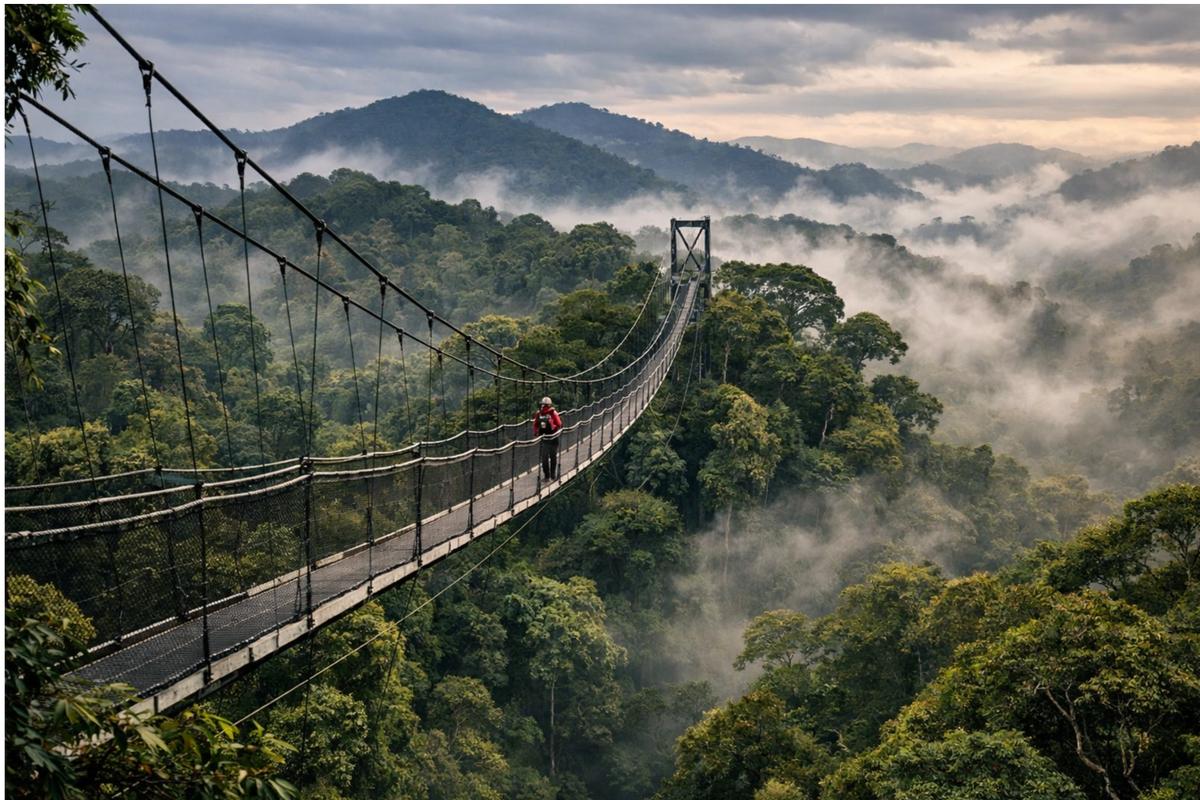
One of its most recognised attractions is the canopy walkway, which offers visitors a unique perspective of the forest.
Experiences include:
- Chimpanzee tracking.
- Guided forest walks.
- Birdwatching.
- Canopy walkway excursions.
- Waterfall hikes.
- Nature photography.
What makes Nyungwe special?
It provides a remarkable forest experience that contrasts with Rwanda’s better-known mountain gorilla trekking destination.
Best suited for: Birdwatchers, primate enthusiasts, photographers and nature lovers.
Suggested stay: 2–3 nights.
26. Gishwati-Mukura National Park – Discover Rwanda’s Forest Conservation Story
Gishwati-Mukura National Park is a relatively small protected forest landscape in western Rwanda.
It is particularly interesting for visitors seeking to understand forest restoration, biodiversity conservation and the importance of protecting fragmented ecosystems.
The park supports primates, birds and other forest wildlife.
Guided nature experiences provide opportunities to learn about the environment and conservation work.
What makes Gishwati-Mukura special?
Its conservation and forest-restoration significance make it an interesting addition for travellers interested in responsible tourism.
Wildlife sightings and visitor activities depend on current park arrangements.
Best suited for: Conservation enthusiasts, nature photographers and specialist travellers.
Suggested stay: 1–2 nights.
27. Lake Kivu – Scenic Lakeside Relaxation
Lake Kivu is one of the Great Lakes of Africa and forms part of Rwanda’s western landscape.
Its beautiful shoreline, surrounding hills and lakeside communities create opportunities for relaxation and exploration.
Popular areas include Rubavu, Karongi and Rusizi.
Visitors can enjoy:
- Boat excursions.
- Kayaking in suitable areas.
- Lakeside relaxation.
- Scenic photography.
- Local food experiences.
- Walking and cycling.
- Community tourism experiences.
What makes Lake Kivu special?
It offers a peaceful complement to Rwanda’s wildlife and forest attractions.
Best suited for: Couples, families, honeymooners and travellers seeking a relaxed holiday.
Suggested stay: 2–3 nights.
28. Akagera National Park – A Different Side of Rwanda’s Wildlife
Although increasingly recognised, Akagera remains a very different experience from Rwanda’s famous gorilla trekking destinations.
It is a savannah and wetland ecosystem in eastern Rwanda, featuring lakes, woodland, grassland and river habitats.
The park supports the Big Five: lions, elephants, buffaloes, leopards and rhinos.
Visitors can enjoy game drives, boat excursions on Lake Ihema and birdwatching.
What makes Akagera special?
It allows travellers to combine Rwanda’s forest and mountain experiences with a traditional savannah safari.
Best suited for: Families, photographers, wildlife enthusiasts and first-time visitors to Rwanda.
Suggested stay: 2–3 nights.
29. The Congo Nile Trail – Explore Rwanda’s Landscapes and Communities
The Congo Nile Trail follows part of Rwanda’s beautiful western region along Lake Kivu.
It offers opportunities for walking, cycling and exploring rural communities.
The route passes through scenic landscapes, agricultural areas, hills and lakeside settlements.
Travellers can experience local coffee-growing activities, community interactions and spectacular viewpoints.
What makes the Congo Nile Trail special?
It provides a slower and more immersive way of discovering Rwanda beyond the conventional national park circuit.
Best suited for: Cyclists, hikers, photographers and adventure travellers.
Suggested stay: 3–5 days for a substantial trail experience.
30. Huye – Rwanda’s Cultural and Historical Experiences
Huye, formerly known as Butare, is an important cultural and educational centre in southern Rwanda.
It provides opportunities to discover Rwanda’s history, heritage and contemporary cultural identity.
Visitors can explore the Ethnographic Museum and discover local crafts, traditional artistic expressions and regional history.
What makes Huye special?
It introduces visitors to Rwanda’s cultural and historical heritage beyond its natural attractions.
Best suited for: Cultural travellers, educational groups, historians and visitors interested in local heritage.
Suggested stay: 1–2 nights.
PART FIVE: Lesser-Known Places and Experiences in Zanzibar
Zanzibar is part of Tanzania, but its island landscapes, maritime history and cultural identity deserve their own section.
Beyond the famous beaches of Nungwi and Kendwa, Zanzibar offers forests, marine conservation areas, historic settlements and quieter island experiences.

31. Pemba Island – The Green Island of the Zanzibar Archipelago
Pemba is one of the most attractive alternatives for travellers seeking a quieter Indian Ocean experience.
Its green landscapes, traditional settlements, clove-growing heritage and marine ecosystems create a distinctive holiday environment.
Visitors can enjoy diving, snorkelling, boat trips, local food and cultural exploration.
What makes Pemba special?
It offers a different atmosphere from the more developed tourist centres of Unguja.
Suggested stay: 3–5 nights.
32. Jozani-Chwaka Bay National Park – Zanzibar’s Unique Forest Ecosystem
Jozani Forest is one of Zanzibar’s most important natural attractions.
It is particularly famous for the Zanzibar red colobus monkey, an endemic primate found in the archipelago.
Visitors can enjoy guided forest walks, wildlife observation and nature photography.
The wider Jozani-Chwaka Bay area also includes mangrove ecosystems and important coastal habitats.
What makes Jozani special?
It demonstrates that Zanzibar is much more than a beach destination.
Suggested stay: Half-day excursion or a full-day nature experience.
33. Chumbe Island – Marine Conservation and Coral Reefs

Its protected coral reef environment provides opportunities to learn about marine biodiversity and responsible tourism.
Depending on current visitor arrangements, activities can include guided snorkelling, forest walks and environmental education.
What makes Chumbe special?
It provides an opportunity to understand marine conservation while enjoying the Indian Ocean’s natural beauty.
Best suited for: Marine enthusiasts, responsible tourism travellers, couples and nature photographers.
Suggested stay: Day visit or overnight experience, subject to availability.
34. Mnemba Island’s Marine Environment – Snorkelling and Diving
The waters around Mnemba Island are among Zanzibar’s most recognised marine activity areas.
The surrounding reefs attract snorkellers and divers interested in tropical fish and coral ecosystems.
Visitors can enjoy guided marine excursions through properly authorised operators.
Marine wildlife sightings vary with season and conditions, and responsible operators should avoid disturbing animals or damaging coral.
What makes it special?
It offers an opportunity to discover Zanzibar’s underwater environment.
Suggested stay: Half-day or full-day excursion.
35. Stone Town and Zanzibar’s Traditional Coastal Villages
Stone Town is one of East Africa’s most distinctive historic urban destinations and a UNESCO World Heritage Site.
Its architecture reflects centuries of cultural and commercial interaction across the Indian Ocean.
Visitors can discover:
- Historic buildings and carved wooden doors.
- Traditional markets.
- Local Swahili cuisine.
- Cultural museums.
- Maritime heritage.
- Historic streets and waterfront settings.
Beyond Stone Town, travellers can visit traditional coastal villages and learn about fishing, seaweed farming and other local livelihoods through respectful community-led experiences.
What makes this experience special?
It offers a cultural dimension to Zanzibar that complements its beaches and marine attractions.
Suggested stay: 2–3 nights, with additional time for coastal exploration.
PART SIX: How to Combine Lesser-Known East African Destinations into One Holiday
One of the biggest advantages of travelling in East Africa is the opportunity to combine different ecosystems and experiences in one journey.
However, visiting several countries should not become a race to collect passport stamps.
A successful itinerary considers transport connections, driving distances, accommodation locations, seasonal conditions, border requirements and the time needed to enjoy each destination.
Here are some possible itineraries.
Itinerary 1: Kenya’s Northern Wilderness and Conservation Safari – 9 Days
Suggested route:
Nairobi → Ol Pejeta → Laikipia → Samburu → Nairobi.
- Days 1–2: Arrive in Nairobi and travel to Ol Pejeta Conservancy.
- Days 3–4: Explore Laikipia’s wildlife conservancies and conservation experiences.
- Days 5–7: Continue to Samburu for game drives and northern wildlife.
- Days 8–9: Return towards Nairobi, with suitable stops depending on transport arrangements.
Ideal for: Wildlife photographers, conservation enthusiasts and repeat visitors to Kenya.
Itinerary 2: Tanzania’s Southern Wilderness Adventure – 9 Days
Suggested route:
Dar es Salaam → Nyerere → Ruaha → Dar es Salaam.
- Days 1–3: Explore Nyerere National Park through game drives and suitable boat excursions.
- Days 4–7: Continue to Ruaha for wildlife viewing and wilderness experiences.
- Days 8–9: Return to Dar es Salaam using an appropriate road or air connection.
Ideal for: Travellers seeking a more specialised Tanzania safari.
Itinerary 3: Uganda’s Nature and Adventure Holiday – 10 Days
Suggested route:
Entebbe → Sipi Falls → Kidepo → Murchison Falls region → Entebbe.
- Days 1–2: Explore the Sipi Falls area.
- Days 3–5: Travel to Kidepo Valley National Park for wildlife and landscape experiences.
- Days 6–8: Continue towards the Murchison Falls region, subject to a practical route and sufficient travel time.
- Days 9–10: Return to Entebbe.
This route involves substantial road travel. Domestic flights and additional days may be preferable for some travellers.
Ideal for: Adventure travellers, photographers and visitors wanting to discover Uganda beyond gorilla trekking.
Itinerary 4: Rwanda’s Forest, Lake and Savannah Experience – 9 Days
Suggested route:
Kigali → Akagera → Huye → Nyungwe → Lake Kivu → Kigali.
- Days 1–2: Explore Kigali and the cultural attractions of the capital.
- Days 3–4: Discover Akagera National Park.
- Day 5: Travel towards Huye and explore its cultural heritage.
- Days 6–7: Explore Nyungwe Forest.
- Day 8: Enjoy Lake Kivu.
- Day 9: Return to Kigali.
Ideal for: Nature lovers, cultural travellers, photographers and couples.
Itinerary 5: Kenya Safari and Zanzibar Island Escape – 12 Days
Suggested route:
Nairobi → Samburu → Ol Pejeta → Nairobi → Zanzibar.
- Days 1–3: Explore Samburu National Reserve.
- Days 4–5: Visit Ol Pejeta Conservancy.
- Day 6: Return to Nairobi.
- Days 7–11: Discover Zanzibar, including Stone Town, Jozani Forest and coastal relaxation.
- Day 12: Departure.
Ideal for: Couples, families, honeymooners and travellers seeking wildlife and beach experiences.
Itinerary 6: Uganda and Rwanda Primate and Nature Journey – 12–14 Days
Suggested route:
Entebbe → Kibale region → Bwindi or Mgahinga → Rwanda’s Lake Kivu → Nyungwe → Kigali.
- Days 1–3: Explore the Kibale region and arrange chimpanzee tracking.
- Days 4–6: Continue to southwestern Uganda for a gorilla trekking experience, subject to permit availability.
- Days 7–8: Travel towards Rwanda and enjoy Lake Kivu.
- Days 9–11: Discover Nyungwe Forest.
- Days 12–14: Continue to Kigali and depart, allowing for suitable transfers.
Cross-border routing, permits, visa requirements and transfer times must be checked before confirming the itinerary.
Ideal for: Primate enthusiasts, wildlife photographers and travellers seeking an immersive nature holiday.
PART SEVEN: When Is the Best Time to Visit Lesser-Known East African Destinations?
East Africa does not have one universal travel season. Conditions vary considerably according to altitude, geography, rainfall, wildlife movements and the activities planned.
| Destination | General planning considerations |
|---|---|
| Kenya’s northern reserves | Drier periods often make wildlife easier to locate around water sources. |
| Laikipia and Ol Pejeta | Can be visited throughout the year; wildlife, weather and activities vary seasonally. |
| Tsavo and Taita Hills | Drier periods generally favour easier wildlife viewing and road access. |
| Tanzania’s southern parks | Dry-season months are generally favourable for wildlife viewing; seasonal access varies. |
| Mahale Mountains | Plan around trekking conditions, park guidance and transport availability. |
| Uganda’s forests | Trekking is possible in different seasons, but rainfall affects trail conditions. |
| Kidepo Valley | Drier periods generally favour wildlife viewing and road access. |
| Rwanda’s Nyungwe | Rainfall affects hiking and forest conditions throughout the year. |
| Lake Kivu | Suitable for a scenic relaxation extension throughout much of the year, with weather variations. |
| Zanzibar and Pemba | Consider rainfall, sea conditions and the marine activities you want to enjoy. |
The best time to visit should be determined by the specific experience rather than a general East Africa travel calendar.
For example, a birdwatching holiday may have different seasonal priorities from a mountain gorilla trekking expedition or a beach holiday.
PART EIGHT: How Much Does It Cost to Explore Lesser-Known East Africa?
There is no single price for a hidden-gem holiday because costs depend on the destination, accommodation, transport, activities, season and level of service.
Some destinations are relatively straightforward to reach by road, while others require domestic flights, charter transfers, boats or specialist guides.
Your budget should account for:
- International and domestic flights.
- Accommodation and meals.
- Park and conservancy fees.
- Professional guiding and safari vehicles.
- Gorilla and chimpanzee permits where applicable.
- Boat excursions and other activities.
- Border transfers and relevant travel documentation.
- Travel insurance and personal expenses.
Budget, Mid-Range and Luxury Experiences
Budget travel: Consider simpler accommodation, selected road-based routes, fewer destinations and shared activities where suitable.
Mid-range travel: Choose comfortable lodges, well-planned road transfers and a balance of guided activities and relaxation.
Luxury travel: Consider boutique lodges, exclusive conservancies, private guiding, selected fly-in connections and premium island accommodation.
A remote destination is not automatically a budget destination. For example, reaching Mahale or Rubondo can involve specialist transport that increases the total holiday cost.
For more detailed planning, read Astute Africa Safaris’ guide to African Safari Costs.
PART NINE: Responsible Tourism and Supporting Local Communities
Discovering lesser-known destinations also creates an opportunity to support responsible tourism.
Many of East Africa’s natural attractions exist alongside communities whose livelihoods are connected to the surrounding environment.
Tourism can contribute to conservation and local development when it is responsibly managed.
Travellers can support responsible tourism by:
- Choosing properly licensed and responsible tourism operators.
- Respecting wildlife viewing distances and park regulations.
- Supporting locally owned accommodation and community enterprises where appropriate.
- Participating in cultural experiences organised with the consent and involvement of local hosts.
- Avoiding activities that exploit wildlife or disrespect local traditions.
- Reducing unnecessary waste and respecting fragile ecosystems.
- Supporting conservation and community initiatives with transparent objectives.
A good wildlife experience should not come at the expense of animal welfare or local community interests.
Astute Africa Safaris believes that sustainable tourism should create value for travellers while recognising the importance of conservation and the communities that live alongside protected areas.
Read our Sustainable African Safari Guide and our Economic, Environmental and Social Responsibility Policy.
PART TEN: Important Travel Planning Considerations
Before booking a holiday involving lesser-known East African destinations, consider the following.
1. Entry Requirements and Visas
Visa and entry requirements vary according to nationality, destination and travel arrangements.
Travellers combining Kenya, Uganda and Rwanda may be eligible for the East African Tourist Visa, subject to its current eligibility and entry conditions.
Tanzania, including Zanzibar, has separate entry requirements and should be considered when planning a multi-country itinerary.
Always verify current requirements before departure.
Read our East Africa Safari Visa Requirements Guide.
2. Transport and Accessibility
Some destinations are connected by established road networks, while others require domestic flights, boats or charter arrangements.
Remote destinations such as Mahale, Rubondo and Kidepo require particular attention to transport planning.
Do not underestimate driving times or attempt to include too many destinations in a short holiday.
3. Accommodation Availability
Smaller and remote destinations may have limited accommodation.
Travellers should confirm the location, facilities, availability and suitability of their chosen accommodation before making final arrangements.
4. Permits and Guided Activities
Gorilla trekking, chimpanzee tracking and certain specialist conservation activities require advance planning and may have limited availability.
Confirm the applicable permits and activity rules with the relevant authorities and authorised operators.
5. Health, Safety and Travel Insurance
Prepare for the environmental conditions and activities involved in your itinerary.
Consider suitable travel insurance, medical advice before departure, appropriate clothing and equipment, and current travel advisories.
6. Responsible Cultural Experiences
Cultural activities should be arranged respectfully, with local participation and consent.
Visitors should avoid treating local communities as tourist attractions and instead seek genuine opportunities to learn, exchange and support local enterprises.
PART ELEVEN: Who Should Explore Lesser-Known East African Destinations?
These destinations can suit different types of travellers.
First-time visitors to Africa
A combination of a classic safari and one or two lesser-known destinations can introduce first-time visitors to the region without making the holiday unnecessarily complicated.
Repeat safari travellers
Visitors who have already explored the Maasai Mara or Serengeti may enjoy discovering Samburu, Ruaha, Nyerere or Kidepo.
Wildlife and nature photographers
Remote landscapes, forest habitats, unique wildlife and island environments provide different photographic opportunities.
Couples and honeymooners
Laikipia, Pemba, Lake Kivu and Zanzibar offer opportunities to combine nature, privacy and relaxation.
Families
Selected destinations such as Ol Pejeta, Lake Bunyonyi, Akagera and Shimba Hills can be incorporated into family holidays, subject to age restrictions and the suitability of individual activities.
Adventure travellers
The Rwenzori Mountains, Sipi Falls, the Congo Nile Trail and northern Kenya offer opportunities for more active exploration.
Birdwatchers
Kakamega Forest, Nyungwe, Semuliki, Samburu and several Tanzanian destinations offer opportunities to explore different habitats and bird species.
PART TWELVE: Why Plan Your Lesser-Known East African Holiday with Astute Africa Safaris?
Discovering East Africa’s lesser-known destinations requires more than simply choosing places from a list.
A successful holiday depends on understanding local geography, transport arrangements, seasonal conditions, accommodation availability, activity restrictions and the experiences that matter most to each traveller.
Astute Africa Safaris is a locally owned Kenyan tour operator based in Nairobi, organising personalised safari and holiday experiences across Kenya, Tanzania, Uganda, Rwanda and Zanzibar.
Our approach is built around understanding what each traveller wants to experience and designing an itinerary that reflects their interests, travel dates, budget and preferred style of holiday.
We can help travellers explore:
- Wildlife and conservation-focused safaris.
- Remote wilderness destinations.
- Gorilla and chimpanzee trekking holidays.
- Birdwatching and nature experiences.
- Mountain and hiking adventures.
- Cultural and community-based experiences.
- Island and beach holidays.
- Multi-country East African itineraries.
- Luxury, mid-range and budget-conscious travel options.
Rather than simply recommending the most famous attractions, we look at how different destinations can complement one another.
For example, a traveller interested in wildlife and conservation might combine Laikipia with Samburu, while someone interested in forests and primates might prefer Uganda and Rwanda.
A couple seeking wildlife followed by relaxation might combine a Kenyan safari with Zanzibar.
The objective is to create a journey that is practical, memorable and suited to the traveller.
Plan Your African Safari With Local Knowledge and Personalised Travel Support.
Explore our East Africa Safari Holidays and How to Plan an African Safari guides.
Frequently Asked Questions About Lesser-Known Places to Visit in East Africa
1. What are the best lesser-known places to visit in East Africa?
Some interesting destinations include Samburu, Meru, Laikipia, Ruaha, Nyerere, Mahale Mountains, Kidepo Valley, Mgahinga, Nyungwe Forest, Lake Kivu, Pemba and Lamu.
The most suitable choice depends on whether you are interested in wildlife, adventure, culture, forests, mountains or beaches.
2. Which East African country has the most hidden gems?
There is no single answer because each country offers different experiences.
Kenya and Tanzania have extensive wildlife and wilderness destinations, Uganda offers remarkable forests, mountains and lakes, Rwanda combines conservation, forests and cultural attractions, while Zanzibar offers distinctive coastal and island experiences.
3. Are there places to visit in East Africa beyond the Maasai Mara and Serengeti?
Yes. Visitors can explore Samburu, Laikipia, Meru, Tsavo, Ruaha, Nyerere, Kidepo, Mgahinga, Nyungwe, Akagera and many other destinations.
These places offer different landscapes and experiences beyond the famous safari circuits.
4. Can I combine lesser-known destinations across several East African countries?
Yes. Kenya, Tanzania, Uganda and Rwanda can be combined into multi-country holidays, depending on travel arrangements and available time.
Zanzibar can also be added to a Tanzania safari or selected East African itineraries.
However, realistic transport connections and border requirements must be considered.
5. Are lesser-known destinations suitable for luxury holidays?
Yes. Laikipia, selected conservancies, Ruaha, Nyerere, Mahale and Pemba offer premium accommodation and specialised travel experiences.
Luxury options depend on the destination and available properties.
6. Are lesser-known places in East Africa suitable for families?
Some are very suitable, including Ol Pejeta, selected areas of Laikipia, Lake Bunyonyi, Akagera and Zanzibar.
Families should check accommodation age policies, activity restrictions, road distances and the minimum ages for trekking activities.
7. How many days are needed to explore East Africa?
A focused destination holiday can take 5–7 days, while a more varied multi-country experience may require 10–21 days or longer.
Allow sufficient time for travel between destinations rather than attempting to visit too many places.
8. What is the best time to visit lesser-known destinations in East Africa?
The best time depends on the destination and planned activities.
Drier periods often favour wildlife viewing and hiking, while some forest and birdwatching experiences have different seasonal priorities.
Always consider local rainfall patterns and access conditions.
9. Can I combine a safari with a beach holiday?
Yes. Kenya’s coast and Tanzania’s Zanzibar archipelago offer excellent opportunities to combine wildlife and beach experiences.
Pemba and selected quieter coastal locations provide additional alternatives.
10. How can I organise a personalised East African holiday?
Start by identifying your preferred experiences, travel dates, budget, group size and the destinations you would like to explore.
Astute Africa Safaris can use these details to develop a suitable itinerary with appropriate transport, accommodation and activities.
Discover East Africa Beyond the Familiar
East Africa is a region of extraordinary diversity. Its appeal extends far beyond the famous wildlife reserves and internationally recognised beaches.
From the dry northern wilderness of Kenya and Tanzania’s remote southern safari circuit to Uganda’s mountains, Rwanda’s ancient forests and Zanzibar’s quieter islands, there are countless opportunities to discover something different.
The most rewarding journeys are not necessarily those that visit the greatest number of destinations. They are the journeys that allow travellers to connect with the landscapes, wildlife, cultures and communities that make East Africa unique.
Whether you are looking for a remote wildlife adventure, a specialist birdwatching holiday, an immersive cultural experience, a mountain expedition or a peaceful island escape, there is an East African destination waiting to be explored.
Let Astute Africa Safaris help you discover a different side of East Africa.
Contact our team to begin planning a personalised safari or holiday across Kenya, Tanzania, Uganda, Rwanda and Zanzibar.
Website: https://astuteafricasafaris.com/
Email: info@astuteafricasafaris.com
WhatsApp: +254 762 663 272
Astute Africa Safaris – Listen to the traveller. Understand the journey. Design the itinerary around the experience they want.
Leave a comment:
You must be logged in to post a comment.
Comment 01
Astute Africa Safaris,
05 May, 2026REF: Crafting Your Bespoke African Safari Experience with Astute Africa Safaris
Jambo,
Thank you for your interest in exploring the wonders of Africa with Astute Africa Safaris. We pride ourselves on creating immersive, tailor-made journeys that align perfectly with your personal interests, pace, and travel aspirations.
Because every safari is a unique narrative, we do not believe in “one-size-fits-all” pricing. To ensure we provide you with an accurate and competitive quotation that reflects the specific lodges, wildlife experiences, and logistical arrangements you desire, we invite you to connect with our team for a personalized consultation.
Please contact us at info@astuteafricasafaris.com, Whatsapp +254762663272 or fill the inquiry form with a few details regarding your preferred travel dates, group size, and specific interests (e.g., photography, luxury relaxation, or adventure trekking). Once we have these details, we will curate a comprehensive proposal designed specifically for you.
We look forward to the possibility of helping you plan an unforgettable journey.
Warm regards,
Team Astute Africa Safaris