

- 1.1k Views
- 43 Min Read
- (0) Comment
An African safari is one of the most extraordinary travel experiences in the world. Imagine waking up to the sounds of birds in the wilderness, watching elephants move quietly across an open savannah, encountering lions resting beneath acacia trees, observing giraffes feeding in the distance and witnessing the remarkable natural beauty of Africa.
For some travellers, an African safari is a lifelong dream. For others, it is an opportunity to reconnect with nature, experience different cultures, photograph extraordinary wildlife or enjoy an unforgettable holiday with family and friends.
However, if you have never travelled to Africa before, you may have several questions.
What happens during an African safari? What to Expect on an African Safari? What time do game drives begin? Will you see lions, elephants, leopards and other wildlife? What are safari lodges and tented camps like? What food will you eat? How safe is it? What should you wear? Will you spend the entire holiday inside a safari vehicle? Can you combine wildlife viewing with beaches, gorilla trekking and cultural experiences?
These are important questions, particularly when planning an international holiday involving several destinations.
The good news is that an African safari is not limited to watching animals from a vehicle. Depending on your destination and itinerary, it can include wildlife viewing, guided nature walks, birdwatching, photography, cultural encounters, mountain gorilla trekking, boat safaris, breathtaking landscapes, luxury accommodation and relaxing beach holidays.
Africa also offers remarkably different safari experiences. Kenya and Tanzania are famous for their open savannahs and spectacular wildlife. Uganda and Rwanda offer extraordinary rainforest and primate experiences alongside other wildlife destinations. Zanzibar provides beautiful Indian Ocean beaches, while Southern African destinations such as Botswana, South Africa, Namibia, Zambia and Zimbabwe introduce travellers to different wilderness environments and safari traditions.
At Astute Africa Safaris, we believe every journey should reflect the traveller behind it. Our philosophy is simple:
Listen to the traveller. Understand the journey. Design the itinerary around the experience they want.
This comprehensive guide explains what to expect before, during and after an African safari, helping you understand the experience and prepare for an unforgettable journey.
Whether you are planning your first safari, a family holiday, a honeymoon, a luxury wilderness escape, a photography expedition or a multi-country African adventure, this guide will help you know what awaits you.
2. Your first experience of Africa: Arrival and welcome

Your African safari experience usually begins when you arrive at your international airport.
Depending on your itinerary, you may arrive in Nairobi, Kenya; Kilimanjaro or Dar es Salaam in Tanzania; Entebbe in Uganda; Kigali in Rwanda; or an international gateway in Southern Africa.
Your arrival experience will depend on the airport, immigration arrangements and the services included in your booking.
What happens after landing?
Generally, you should expect the following:
-
Immigration and entry formalities: Present your passport and the required visa or electronic travel authorisation, where applicable.
-
Baggage collection: Collect your luggage and check that all your belongings have arrived.
-
Airport exit: Follow the airport’s arrival procedures and meet your designated representative if transfers have been arranged.
-
Transfer to accommodation: Depending on your itinerary, you may travel to a hotel in the city, a safari destination or a domestic airport.
-
Safari briefing: Your guide or tour representative may explain the itinerary, departure arrangements, safety guidelines and what to expect during the journey.
For travellers arriving after a long international flight, an overnight stay in Nairobi, Arusha, Entebbe, Kigali or another gateway city can be a sensible way to begin the holiday.
What should you expect from your safari guide?
Your safari guide is one of the most important people you will meet during your journey.
A knowledgeable guide does much more than drive a safari vehicle. They help interpret the natural environment, identify wildlife, explain animal behaviour, discuss conservation and introduce travellers to the landscapes and communities they visit.
You can expect your guide to:
-
Explain the safari programme and daily arrangements.
-
Help identify animals, birds and plants.
-
Explain wildlife behaviour and interactions.
-
Recommend suitable wildlife-viewing opportunities.
-
Provide information about the parks and conservation areas.
-
Explain safety precautions during game drives.
-
Help coordinate activities and travel arrangements.
A good guide also understands that travellers have different interests. A wildlife photographer may want more time observing an animal, while a family with children may appreciate shorter game drives and more flexible schedules.
3. What does a typical day on an African safari look like?

One of the most exciting aspects of an African safari is its daily routine.
Unlike conventional city holidays, safari days are often organised around wildlife activity, daylight, weather and the natural environment.
Animals are generally more active during the cooler hours of the morning and late afternoon. Consequently, many safari itineraries schedule game drives around these periods.
The exact programme depends on your lodge, destination, travel season and chosen safari package.
Early morning: Wake up to the African wilderness
Many safari days begin before sunrise.
You may wake up to birdsong, the distant calls of wildlife or the sounds of nature surrounding your accommodation.
After getting ready, you will usually enjoy an early cup of coffee or tea before departing for a morning game drive.
Early mornings can be particularly rewarding because:
-
Predators may still be active after hunting during the night.
-
Elephants and other herbivores may be moving towards feeding areas.
-
The cooler temperatures make wildlife viewing more comfortable.
-
The soft morning light creates excellent photography opportunities.
You may encounter lions, leopards, hyenas, giraffes, zebras, buffaloes, elephants and numerous antelope species.
However, wildlife is free-ranging. There are no guarantees that you will see a particular animal on any individual game drive.
Morning game drive: Exploring the wilderness

The morning game drive is often one of the highlights of an African safari.
You will travel through designated wildlife areas with your guide, exploring different habitats and looking for animals.
Depending on the destination, you may travel across:
-
Open grasslands.
-
Woodlands and acacia forests.
-
Riverbanks and wetlands.
-
Rocky landscapes.
-
Mountain foothills.
-
Dry savannah environments.
Your guide may stop when wildlife is spotted, allowing you to observe animal behaviour and take photographs without disturbing the animals.
Some mornings bring extraordinary encounters. You might observe a lion pride resting together, elephants feeding, giraffes browsing, zebras moving in herds or a leopard resting in a tree.
Other mornings may be quieter, with opportunities to appreciate the scenery, smaller wildlife and birdlife.
Both experiences are part of a genuine safari.
Breakfast: Enjoying meals in the wilderness

Depending on your itinerary, breakfast may be served at your lodge or camp, or arranged as a bush breakfast in a suitable designated location.
You can generally expect a selection of breakfast foods, which may include:
-
Fresh fruit.
-
Eggs.
-
Bread and pastries.
-
Tea and coffee.
-
Cereals.
-
Juices.
-
Other locally available breakfast dishes.
The menu depends on the accommodation and package.
A bush breakfast can be particularly memorable, allowing you to enjoy a meal surrounded by beautiful African scenery.
Midday: Rest, relaxation and optional activities

After the morning game drive, many travellers return to their accommodation for breakfast, lunch and relaxation.
The midday period is often warmer, and some wildlife becomes less active.
Depending on your accommodation, you may:
-
Relax in your room or tented suite.
-
Enjoy lunch.
-
Read or photograph the surrounding landscape.
-
Spend time beside a swimming pool.
-
Enjoy views from the lodge terrace.
-
Participate in suitable optional activities.
-
Learn about the surrounding ecosystem from your guide or camp staff.
Some camps also offer guided nature activities, subject to their location, operating arrangements and safety regulations.
The midday break is important. It allows you to rest before the next wildlife-viewing opportunity.
Afternoon: Another opportunity to explore

Later in the afternoon, you may depart for another game drive.
As temperatures begin to fall, animals may become more active.
You could encounter elephants returning to water sources, giraffes feeding, buffaloes moving in herds or predators beginning their evening activity.
Your guide may take you to a different part of the park or reserve to explore another habitat.
The afternoon drive provides another opportunity to photograph wildlife and appreciate the landscape.
Evening: Sundowners and sunset views

Some safari camps and lodges arrange sundowner experiences in appropriate locations.
A sundowner usually involves enjoying refreshments while watching the sun set over the African landscape.
The experience can be especially beautiful in open savannah environments where the changing light creates dramatic scenery.
After returning to camp, you may enjoy dinner, share stories about the day’s wildlife encounters and prepare for another day of exploration.
Night: Dinner beneath the African sky

Evenings at safari lodges can be memorable.
Depending on the accommodation, dinner may be served in a restaurant, dining tent, outdoor setting or private dining area.
You may hear nocturnal wildlife sounds, including hyenas calling, lions roaring or night-active birds.
Remember that safari accommodation is situated in or near natural habitats. Always follow the property’s instructions, particularly when moving around after dark.
Important: This daily routine is an example rather than a fixed programme. Some safaris include full-day game drives with picnic lunches, while others include boat excursions, walking safaris or transfers between destinations.
4. What wildlife should you expect to see on an African safari?

One of the biggest reasons people travel to Africa is the opportunity to see wildlife in its natural environment.
Africa is home to extraordinary biodiversity, including large mammals, predators, primates, reptiles, insects and thousands of bird species.
However, the wildlife you encounter depends on the country, park, season, habitat and length of your safari.
The African Big Five
The Big Five are among the most sought-after animals on an African safari.
Originally, the term referred to five animals considered particularly challenging to hunt on foot. Today, it is widely used in wildlife tourism and photography.
1. African lion

Lions are among Africa’s most iconic predators. They are often seen resting in the grass, beneath trees or near their preferred hunting grounds.
You may encounter individual males, lionesses or entire prides.
The Maasai Mara in Kenya, Serengeti in Tanzania, and selected Southern African reserves are well-known destinations for lion viewing.
2. African elephant

Elephants are among the most impressive animals you can encounter.
Watching a family herd move across the savannah, feeding, interacting and caring for young calves can be an unforgettable experience.
Kenya’s Amboseli National Park is particularly famous for elephant encounters and spectacular views of Mount Kilimanjaro.
Other excellent elephant destinations include Tsavo, Samburu, the Serengeti, Chobe National Park in Botswana and South Africa’s major wildlife reserves.
3. African leopard

Leopards are solitary, elusive predators and can be challenging to locate.
They are frequently associated with wooded habitats where they can rest in trees and conceal themselves.
Seeing a leopard in the wild is often a particularly exciting moment because of its camouflage and secretive behaviour.
4. African buffalo

Cape buffaloes are powerful animals commonly encountered in herds.
They can be found in several East and Southern African wildlife destinations, often near grasslands, wetlands and water sources.
5. Rhinoceros

Both black and white rhinos are important conservation species.
Kenya offers opportunities to see rhinos in protected conservation areas such as Lake Nakuru and selected private conservancies.
South Africa is another major destination for rhino conservation and wildlife viewing.
Seeing all five animals during one safari is possible in certain destinations, but it is never guaranteed.
Other animals you may encounter

Beyond the Big Five, you may encounter:
-
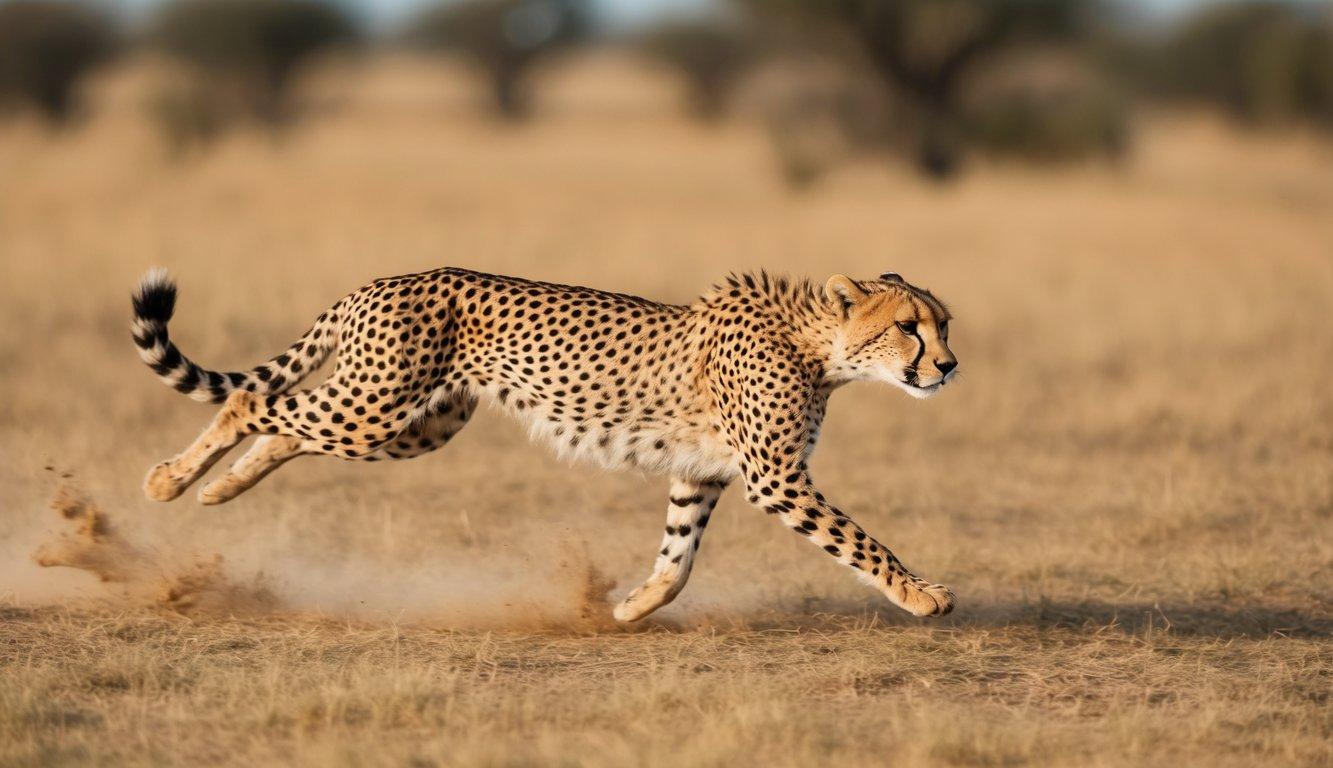
Cheetahs, known for their extraordinary speed.
-
Giraffes feeding from tall trees.
-
Zebras moving in large herds.
-
Wildebeest grazing across open grasslands.
-
Spotted hyenas and jackals.
-
Hippos resting in rivers and waterholes.
-
Crocodiles along riverbanks.
-
Warthogs and several antelope species.
-
Baboons, monkeys and other primates.
Some destinations also offer opportunities to see less familiar species, including gerenuk, dik-dik, reticulated giraffes, sable antelope, roan antelope and various desert-adapted animals.
Can you see the Great Wildebeest Migration?

The Great Wildebeest Migration is one of Africa’s most remarkable natural spectacles.
Every year, enormous herds of wildebeest, accompanied by zebras and other grazing animals, move through the Serengeti ecosystem in Tanzania and the Maasai Mara ecosystem in Kenya.
The migration is influenced by rainfall, grazing availability and changing environmental conditions.
What should you expect?
-
Large herds moving across open plains.
-
Predators following migrating animals.
-
Calving activity in suitable southern Serengeti areas.
-
Seasonal movement between Tanzania and Kenya.
-
Possible river-crossing encounters in northern Serengeti and the Maasai Mara.
River crossings are unpredictable. A traveller may spend several hours observing the river without witnessing a crossing.
The best approach is to choose accommodation and a safari route based on the likely location of the herds during your travel dates rather than relying on a fixed promise of a river crossing.
Read more: The Great Wildebeest Migration and planning your African safari.
Birdwatching: An experience beyond large mammals

Africa is also an outstanding destination for birdwatching.
You may see colourful bee-eaters, kingfishers, hornbills, eagles, vultures, storks, flamingos, ostriches, secretary birds and numerous migratory species.
East Africa is particularly rewarding because of its varied habitats, ranging from wetlands and lakes to forests, savannahs and mountain environments.
Kenya offers excellent birdwatching opportunities in destinations such as Lake Nakuru, Lake Naivasha, the Maasai Mara and other protected areas.
For specialist birdwatchers, explore Astute’s Best Birdwatching Safari in Kenya.
The important thing to understand is that an African safari is not exclusively about the Big Five. Even when large animals are difficult to locate, birdlife, insects, plants, landscapes and smaller wildlife can make the experience rewarding.
5. What is a safari game drive, and how does it work?

A game drive is one of the most common activities on a traditional African safari.
It involves exploring a national park, game reserve or conservancy in a safari vehicle accompanied by a guide.
What type of vehicle should you expect?
Most conventional East African road safaris use specially adapted four-wheel-drive vehicles.
Common vehicle features include:
-
A raised seating position for better wildlife viewing.
-
A pop-up roof or open-sided viewing arrangements, depending on the vehicle.
-
Comfortable passenger seating.
-
Space for luggage and personal equipment.
-
Communication equipment where provided.
-
Charging facilities on some vehicles.
The exact vehicle depends on the operator, destination and safari category.
Some luxury safaris use specially designed open safari vehicles, while private conservancies may offer additional vehicle configurations.
Private versus shared safari vehicles
You may choose between a private safari and a shared group safari.
|
Private safari |
Shared safari |
|---|---|
|
Vehicle reserved for your party |
Vehicle shared with other travellers |
|
Greater control over stops and pace |
Activities follow group arrangements |
|
More itinerary flexibility |
Usually a more economical option |
|
Suitable for families, couples and photographers wanting privacy |
Suitable for solo travellers and budget-conscious visitors |
A private safari is particularly useful when travelling with children, elderly family members or serious wildlife photographers.
How close will you get to wildlife?
Wildlife viewing takes place under park regulations and responsible wildlife practices.
Animals should never be approached in a way that causes unnecessary disturbance.
Your guide will determine suitable viewing distances, positioning and whether it is appropriate to remain at a particular sighting.
You may sometimes see animals relatively close to the vehicle, but encounters vary naturally.
Are game drives tiring?
They can be, particularly when you spend several hours on uneven roads.
However, well-planned itineraries include breaks and appropriate rest periods.
Travellers who prefer a slower pace can request fewer game drives, shorter driving periods or additional nights at selected destinations.
6. What safari accommodation should you expect?

Accommodation is an important part of your safari experience.
Contrary to what some first-time visitors imagine, an African safari does not necessarily mean sleeping in basic tents in the wilderness.
Accommodation ranges from simple campsites and comfortable lodges to exceptional luxury properties with private suites, swimming pools, fine dining and personalised services.
The right option depends on your budget, destination, preferences and the type of holiday you want.
Budget safari accommodation
Budget safaris generally focus on affordability and practical comfort.
You may stay in:
-
Campsites.
-
Basic safari lodges.
-
Budget hotels.
-
Simple tented accommodation.
Facilities vary, so confirm bathroom arrangements, meals, bedding, electricity and other inclusions before booking.
Mid-range safari accommodation
 Mid-range accommodation is popular among travellers who want comfort without the expense of exclusive luxury properties.
You can generally expect:
-
Comfortable rooms or en-suite tents.
-
Private bathroom facilities in many properties.
-
Restaurant or dining facilities.
-
Comfortable beds and furnishings.
-
Lounge or relaxation areas.
-
Access to game-viewing locations.
The exact standard depends on the property.
Luxury safari lodges and tented camps

Luxury safaris provide a more exclusive experience.
Depending on the property, you may enjoy:
-
Spacious suites and luxury tented accommodation.
-
Private decks and viewing areas.
-
Plunge pools.
-
Premium dining.
-
Spa and wellness facilities.
-
Personalised hospitality.
-
Private guides and vehicles, where included.
-
Exclusive wilderness locations.
Some luxury properties offer remarkable opportunities to observe wildlife directly from the accommodation.
What is the difference between a safari lodge and a tented camp?
A safari lodge is usually a permanent accommodation property constructed using conventional building materials, although architectural styles vary.
A tented camp uses safari-style canvas accommodation, often with permanent structures, proper beds, bathrooms and other facilities.
Luxury tented camps can be extremely comfortable and offer an immersive connection with the surrounding environment.
Important booking advice: Do not judge accommodation by the words budget, mid-range or luxury alone. Examine the actual property, room category, location, facilities and guest reviews.
7. What food and drinks should you expect on an African safari?

Food is another enjoyable part of an African safari.
Most safari lodges and camps offer meals designed to accommodate international travellers while introducing guests to local ingredients and regional dishes.
Depending on your accommodation and booking arrangements, meals may include breakfast, lunch and dinner.
Breakfast
Breakfast may include:
-
Fresh fruit.
-
Eggs prepared in different styles.
-
Bread and pastries.
-
Cereals.
-
Tea and coffee.
-
Fresh juices.
Lunch
Lunch may be served at your lodge, camp or as a picnic during a full-day game drive.
You might enjoy sandwiches, salads, grilled foods, rice, vegetables and other dishes.
Dinner
Dinner can range from international cuisine to local African-inspired dishes.
Depending on the country, you may encounter:
-
Grilled meats.
-
Fresh fish.
-
Rice dishes.
-
Vegetables.
-
Soups.
-
Stews.
-
Fresh fruit and desserts.
Experience local African cuisine

One of the most rewarding ways to understand Africa is through its food.
Kenya is known for nyama choma, ugali, chapati and various regional dishes. Tanzania offers Swahili-inspired cuisine, including pilau, coconut-based dishes and fresh seafood. Uganda has popular foods such as matoke, groundnut sauce and local stews. Rwanda has its own traditional dishes and food culture.
Travellers visiting Zanzibar can also explore the island’s distinctive Swahili cuisine and seafood.
If local food is an important part of your journey, consider including cultural and culinary experiences in your itinerary.
Can special dietary requirements be accommodated?
Many established lodges can cater for vegetarian, vegan, gluten-free and other dietary preferences when informed in advance.
However, availability varies between properties, especially in remote areas.
Always communicate allergies and dietary requirements before travel.
8. What cultural experiences should you expect?

An African safari can provide opportunities to understand the people, heritage and cultures of the destinations you visit.
Africa is culturally diverse, with different languages, traditions, music, food, architecture and ways of life.
Depending on your itinerary, you may experience:
Maasai cultural experiences in Kenya and Tanzania
The Maasai communities are among the most recognisable cultural communities in East Africa.
Visitors may have opportunities to learn about traditional clothing, cultural practices, pastoral heritage, community life and the relationship between people, livestock and wildlife.
Where possible, choose community experiences that are locally organised and fairly benefit participating communities.
Cultural experiences in Uganda
Uganda offers a variety of cultural experiences involving traditional music, dance, food, crafts and community heritage.
Some itineraries can combine wildlife destinations with cultural encounters around the country’s lakes, forests and towns.
Rwanda’s cultural heritage
Rwanda offers opportunities to explore its cultural history, traditional arts, crafts, music and dance.
Travellers visiting Kigali may also explore important historical and educational sites as part of a broader holiday.
Tanzania and Zanzibar’s Swahili heritage

Zanzibar is particularly interesting for travellers who want to explore Swahili culture.
You can experience:
-
Historic Stone Town.
-
Traditional architecture.
-
Local markets.
-
Swahili cuisine.
-
Traditional crafts.
-
Coastal communities.
-
Island history and heritage.
Cultural tourism should be approached with respect. Always ask permission before photographing people and follow the guidance of local hosts.
9. What to expect from an African safari in each East African destination
East Africa offers some of the world’s most varied wildlife and nature experiences.
Astute Africa Safaris covers Kenya, Tanzania, Uganda, Rwanda and Zanzibar, allowing travellers to experience different environments within the same broader region.
Each destination offers something distinctive.
Kenya: Classic African wildlife and spectacular landscapes

Kenya is one of Africa’s most established safari destinations.
Travellers can expect a combination of wildlife viewing, dramatic landscapes, diverse ecosystems and opportunities for cultural and coastal experiences.
Some of the country’s most popular safari destinations include:
Maasai Mara National Reserve
Expect open grasslands, abundant wildlife, predators and seasonal migration experiences.
Amboseli National Park
Famous for large elephant herds and impressive views of Mount Kilimanjaro.
Lake Nakuru National Park
Known for rhinos, diverse birdlife and its beautiful lake environment.
Tsavo East and Tsavo West
Vast wilderness areas with elephants, varied landscapes and different wildlife habitats.
Samburu National Reserve
Offers distinctive northern wildlife species, including reticulated giraffes, Grevy’s zebras and gerenuks.
Ol Pejeta Conservancy
Known for conservation initiatives and opportunities to learn about wildlife protection.
Lake Naivasha
Provides a different experience involving lake scenery, birdlife and selected water-based activities.
What makes Kenya particularly attractive is its ability to combine several experiences in one holiday.
You can enjoy a wildlife safari, explore local culture and finish your trip on the Indian Ocean coast.
Explore: East Africa Safari Vacations and What to Expect on a Kenya Safari.
Tanzania: The Serengeti, Ngorongoro and the Great Migration

Tanzania is particularly attractive to travellers seeking expansive wilderness and extended wildlife-viewing opportunities.
What should you expect?
-
Vast open landscapes.
-
Large wildlife populations.
-
Excellent predator-viewing opportunities.
-
Seasonal Great Migration experiences.
-
Dramatic volcanic scenery.
-
Luxury tented camps and lodges.
Key destinations include:
Serengeti National Park: Famous for the Great Migration, predators and extensive savannah landscapes.
Ngorongoro Crater: A remarkable volcanic caldera with diverse wildlife habitats.
Tarangire National Park: Known for elephants, baobab trees and seasonal wildlife concentrations.
Lake Manyara National Park: Offers forest, lake and savannah environments.
Nyerere National Park: Provides opportunities to experience a different Southern Tanzania wilderness environment, including selected boat-based wildlife activities where offered.
Explore Tanzania through a tailored safari itinerary or combine it with Kenya for a broader East African experience.
Uganda: Mountain gorillas, chimpanzees and diverse wildlife

Uganda provides one of the continent’s most distinctive wildlife experiences.
Unlike a conventional savannah-only safari, a Uganda holiday can combine forests, mountains, lakes, rivers, primates and traditional game drives.
What should you expect?
Mountain gorilla trekking in Bwindi Impenetrable National Park
This is one of the most memorable wildlife encounters available in Africa.
Visitors trek through forest terrain with authorised guides and trackers in search of a habituated gorilla family.
Trekking conditions vary. The terrain can be steep, muddy and physically demanding, and the duration is not predictable.
Chimpanzee tracking in Kibale Forest
Kibale is renowned for chimpanzees and its rich primate diversity.
Queen Elizabeth National Park
Offers savannah wildlife, birdlife and the famous Kazinga Channel, where boat excursions provide opportunities to observe hippos, elephants and other animals.
Murchison Falls National Park
Combines wildlife viewing with the spectacular Nile River and Murchison Falls.
A Uganda safari is particularly suitable for nature enthusiasts and travellers who want experiences beyond traditional game drives.
Rwanda: Gorilla trekking and scenic nature experiences

Rwanda offers an exciting combination of primate experiences, conservation, beautiful scenery and cultural heritage.
What should you expect?
Volcanoes National Park
Rwanda is internationally recognised for mountain gorilla trekking in this spectacular volcanic landscape.
The experience involves guided hiking through forest and mountainous terrain.
Akagera National Park
Offers a contrasting savannah safari environment with opportunities to see elephants, lions, giraffes, zebras, hippos and other wildlife.
Kigali
Provides an opportunity to explore Rwanda’s capital, history, food and contemporary culture.
Rwanda can be an excellent destination for travellers looking for a shorter specialist gorilla experience or a combination of wildlife and cultural tourism.
Zanzibar: Beaches, marine life and relaxation after safari

Zanzibar is a wonderful addition to an East African safari.
Although it is part of Tanzania, it offers a very different holiday environment from the mainland’s savannah and wildlife parks.
You can expect:
-
White-sand beaches.
-
Warm Indian Ocean waters.
-
Beautiful beach resorts.
-
Snorkelling and selected diving experiences.
-
Traditional dhow excursions.
-
Swahili culture and cuisine.
-
Historic Stone Town.
-
Relaxing honeymoon and family holidays.
Many travellers choose Zanzibar after several days of early mornings and game drives.
It provides time to rest, enjoy the ocean and experience another side of East Africa.
10. What should you expect on a Southern African safari?

Although East Africa is an excellent starting point, an African safari can extend much further south.
Southern Africa offers a different collection of wildlife habitats, landscapes and travel experiences.
For travellers with more time, combining East Africa with selected Southern African destinations can create an extraordinary continental journey.
Botswana: Exclusive wilderness and water-based safaris

Botswana is renowned for its exceptional wilderness environments.
The Okavango Delta is one of Africa’s most distinctive ecosystems, with waterways, islands, wetlands and seasonal floodplains.
You may experience:
-
Mokoro excursions where conditions permit.
-
Boat-based wildlife viewing.
-
Game drives.
-
Elephant encounters.
-
Birdwatching.
-
Remote luxury safari camps.
Chobe National Park is particularly famous for its elephants.
Botswana is especially attractive to travellers seeking exclusivity, wilderness and high-end safari accommodation.
South Africa: Big Five safaris, cities and scenic holidays

South Africa offers one of the continent’s most varied holiday experiences.
You can combine traditional wildlife safaris with cosmopolitan cities, mountains, beaches and scenic road journeys.
What should you expect?
-
Big Five wildlife viewing.
-
Private game reserves.
-
National parks.
-
Self-drive safari possibilities in suitable areas.
-
Cape Town and Table Mountain.
-
The Garden Route.
-
Coastal scenery and cultural experiences.
South Africa can be especially suitable for travellers who want a safari alongside other holiday experiences.
Namibia: Deserts, wildlife and dramatic landscapes
 Namibia offers a strikingly different African travel experience.
Expect:
-
Vast desert landscapes.
-
Red sand dunes.
-
Dramatic mountain scenery.
-
Desert-adapted wildlife.
-
Scenic road journeys.
-
Photography opportunities.
Etosha National Park is a major wildlife destination, while Sossusvlei offers some of the most recognisable desert scenery in Africa.
Namibia is particularly attractive to landscape photographers and independent travellers seeking a combination of nature and adventure.
Zambia: Walking safaris and authentic wilderness

Zambia is associated with some of Africa’s distinctive walking safari traditions.
Depending on the destination and operator, you may enjoy:
-
Guided walking safaris.
-
Wildlife tracking.
-
Canoe excursions.
-
River-based activities.
-
Birdwatching.
-
Remote wilderness accommodation.
South Luangwa and Lower Zambezi are among the country’s important safari destinations.
Walking activities are subject to strict safety requirements and are not suitable for every traveller.
Zimbabwe: Victoria Falls and wildlife experiences

Zimbabwe combines wildlife, dramatic scenery and cultural experiences.
Victoria Falls is one of Africa’s most spectacular natural attractions.
Other notable destinations include Hwange National Park and Mana Pools National Park.
Travellers may enjoy:
-
Elephant and other wildlife encounters.
-
Guided walking experiences.
-
Canoe activities in designated areas.
-
Scenic river landscapes.
-
Victoria Falls sightseeing.
Mozambique: Beaches and Indian Ocean experiences
 Mozambique is an excellent consideration for travellers seeking an ocean-focused holiday extension.
The country offers beautiful coastlines, islands, marine environments and opportunities for selected water activities.
It can complement a safari in neighbouring Southern African destinations.
Extending beyond Southern Africa
Depending on the desired holiday, other destinations such as Seychelles, Madagascar, Mauritius and Malawi can also be considered for wider African nature, island and beach itineraries.
The key is to create a realistic journey rather than attempting to visit too many countries within limited holiday time.
11. What should you expect from safari transportation?

Transportation is an important part of your African safari, particularly when visiting several parks or travelling between countries.
There are three main ways to move around during an African safari.
Road transfers
Road transfers are common in Kenya, Tanzania, Uganda and Rwanda.
They provide opportunities to experience local landscapes, towns, villages and countryside along the way.
However, road journeys can be long, particularly when travelling between distant parks.
Domestic and charter flights
Some safari destinations are better accessed by air.
You may travel in a small aircraft from a major airport to a remote safari airstrip.
Flying can reduce travel time and provide beautiful aerial views of Africa’s landscapes.
However, small aircraft have luggage weight and baggage-size restrictions, which should be confirmed before departure.
Cross-border transfers
A multi-country safari requires additional planning.
For example, combining Kenya and Tanzania may involve border crossings, domestic flights or specially coordinated transport.
A Kenya–Uganda–Rwanda safari requires careful coordination of international flights, entry requirements and trekking arrangements.
Read Astute’s East African Safari Visa Requirements before planning a multi-country holiday.
12. What should you expect from an African safari depending on the season?

Africa is a year-round travel destination, but the experience can change considerably depending on rainfall, temperature and seasonal wildlife movements.
There is no single best month for every African safari.
Dry seasons
In many savannah destinations, dry periods can offer:
-
Better visibility through thinner vegetation.
-
Wildlife congregating around remaining water sources.
-
Generally easier wildlife spotting.
-
Less rainfall in many areas.
-
Good conditions for photography.
However, conditions vary by country and ecosystem.
Green seasons
Green or rainy periods can offer:
-
Beautiful green landscapes.
-
Excellent scenery.
-
Opportunities to observe newborn animals in certain regions.
-
Good birdwatching.
-
Fewer visitors in some destinations.
-
Potentially attractive accommodation rates.
Rain may affect road conditions, particularly in remote areas.
When should you travel for the Great Migration?
Migration planning requires a more specific approach.
The herds move through different areas of the Serengeti–Maasai Mara ecosystem throughout the year.
The best location depends on your travel dates and the prevailing environmental conditions.
When should you travel for gorilla trekking?
Gorilla trekking in Uganda and Rwanda operates throughout the year, subject to permit availability and park regulations.
Some periods may offer more favourable hiking conditions than others, but forest weather is unpredictable.
For a broader overview of seasonal planning, see Astute’s African safari planning guide.
13. What should you pack for an African safari?

Packing correctly can make your safari more comfortable.
The items you need will depend on your destination, season, accommodation and activities.
Essential safari clothing
Consider packing:
-
Lightweight shirts and trousers.
-
Neutral-coloured clothing.
-
Comfortable walking trousers.
-
A warm jacket or fleece.
-
Comfortable walking shoes.
-
A hat or cap.
-
Sunglasses.
-
Lightweight rain protection.
-
Comfortable sleepwear.
Neutral colours such as khaki, beige, brown and olive are practical for many safari activities.
Avoid excessively bright clothing for activities where blending into the natural environment is desirable.
Photography equipment
 If you enjoy photography, consider bringing:
-
A camera with a suitable telephoto lens.
-
Extra batteries.
-
Memory cards.
-
Camera cleaning equipment.
-
Binoculars.
-
A suitable camera bag.
Smartphones can also capture excellent safari memories, particularly when wildlife is relatively close.
Health and personal items
Your packing list should also include:
-
Personal medication.
-
Prescriptions.
-
Sunscreen.
-
Insect repellent suitable for your destination.
-
Hand sanitiser.
-
Basic personal toiletries.
-
A small first-aid kit.
Consult a qualified travel-health professional before departure for destination-specific vaccination, malaria prevention and other health advice.
Important luggage considerations
Some small aircraft have strict baggage limits.
Soft-sided bags are often required for light-aircraft safaris.
Always confirm the precise baggage allowance with your operator before travelling.
14. What should you expect regarding safety on an African safari?

Safety is an important consideration when travelling in wildlife environments.
African safaris are organised around established conservation rules, trained guides, park regulations and accommodation procedures.
However, wildlife is unpredictable, and a safari is not the same as visiting a conventional city attraction.
Wildlife safety
During your safari:
-
Listen to your guide’s instructions.
-
Remain inside the vehicle unless your guide confirms that it is safe to exit.
-
Never attempt to approach, feed or touch wild animals.
-
Avoid shouting or making sudden movements near wildlife.
-
Do not interfere with animal behaviour.
-
Follow all park and conservancy rules.
Accommodation safety
Many lodges are located within or near wildlife habitats.
Some properties may provide staff escorts when guests move between rooms and communal areas after dark.
Follow the property’s instructions and do not walk alone in areas where wildlife may be present.
Personal safety
As with any international holiday:
-
Keep important travel documents secure.
-
Use arranged transfers where appropriate.
-
Follow local guidance.
-
Keep valuables protected.
-
Observe road and park regulations.
-
Purchase suitable travel insurance.
Is Africa safe for first-time safari travellers?
Many visitors travel to East and Southern Africa every year for wildlife holidays.
The important consideration is choosing destinations and routes appropriate to your travel circumstances, using reliable operators and following safety guidance.
For further reading, explore Astute’s Guide to Safe Safari Destinations in Africa.
15. What should you expect when travelling with children on an African safari?

A family safari can be an extraordinary educational and recreational experience.
Children can learn about wildlife, conservation, different cultures and the natural environment while spending quality time with their families.
However, family safaris require thoughtful planning.
What makes a family safari different?
You should consider:
-
The ages of the children.
-
The length of game drives.
-
Suitable accommodation.
-
Family rooms or adjoining rooms.
-
Access to meals and child-friendly menus.
-
Vehicle arrangements.
-
Rest periods.
-
Age restrictions for particular activities.
Are children allowed on all safari activities?
No. Age restrictions apply to some activities and accommodation properties.
Gorilla trekking, walking safaris and certain other experiences have specific age requirements.
Always check the current regulations before booking.
Should families choose private safaris?
A private safari can be particularly convenient for families because it offers greater flexibility.
Parents can adjust the pace of activities and enjoy a more personalised experience.
Explore Astute’s African safari and family holiday options.
16. What should honeymooners and luxury travellers expect?

An African safari is also an excellent honeymoon destination.
For couples, the experience can combine wildlife, beautiful landscapes, private accommodation and romantic dining.
Depending on the chosen itinerary, you may enjoy:
-
Luxury tented suites.
-
Private game drives.
-
Bush breakfasts.
-
Sundowners.
-
Romantic dinners.
-
Spa treatments.
-
Private plunge pools.
-
Scenic flights.
-
Beach extensions.
The ultimate safari and beach honeymoon
One popular option is to combine a Kenya or Tanzania safari with a beach stay.
For example:
Kenya safari + Diani Beach
Enjoy wildlife experiences in the Maasai Mara or Amboseli before travelling to Kenya’s beautiful south coast.
Tanzania safari + Zanzibar
Explore Tarangire, Ngorongoro and the Serengeti before relaxing on Zanzibar’s beaches.
Uganda gorilla experience + Zanzibar
Combine the extraordinary experience of mountain gorilla trekking with a tropical island holiday, subject to appropriate flight connections and travel time.
The best combination depends on the couple’s available days, preferred accommodation and budget.
17. Can you combine different African countries in one safari?

Absolutely. Multi-country safaris are among the most exciting ways to explore Africa.
However, each additional country introduces more transport, accommodation, entry and itinerary considerations.
Here are some possible combinations.
|
Multi-country safari |
What you can experience |
|---|---|
|
Kenya + Tanzania |
Maasai Mara, Serengeti, Ngorongoro and migration experiences |
|
Kenya + Uganda |
Savannah wildlife and gorilla or chimpanzee trekking |
|
Kenya + Rwanda |
Classic safari and mountain gorilla experiences |
|
Uganda + Rwanda |
Forest primates, cultural experiences and scenic landscapes |
|
Tanzania + Zanzibar |
Wildlife safari followed by an island holiday |
|
Kenya + Tanzania + Zanzibar |
Multi-destination safari and beach experience |
|
South Africa + Botswana |
Big Five wildlife and Okavango wilderness |
|
Zambia + Zimbabwe |
Walking and river safaris, plus Victoria Falls |
|
Namibia + South Africa |
Deserts, wildlife, cities and scenic road journeys |
A multi-country itinerary should always be designed around geographical practicality.
Travellers should not spend most of their holiday moving between airports and borders.
The objective is to enjoy each destination rather than simply increase the number of countries visited.
18. Suggested African safari itineraries: What your holiday could look like
The following itineraries illustrate how a well-designed African safari can unfold.
These are planning examples, not guaranteed fixed departures. Actual routing, accommodation, transport and activities should be confirmed against the travel dates.
Itinerary 1: Three-day Maasai Mara safari in Kenya
 Duration: 3 days / 2 nights Maasai Mara
|
Day |
Experience |
|---|---|
|
Day 1 |
Nairobi to Maasai Mara, arrival and afternoon game drive |
|
Day 2 |
Full-day wildlife exploration with your safari guide |
|
Day 3 |
Morning game drive, breakfast and return to Nairobi |
What to expect:
-
Classic savannah wildlife.
-
Opportunities to see lions, elephants, giraffes and zebras.
-
Beautiful sunrise and sunset landscapes.
-
Comfortable safari accommodation.
-
An introduction to Kenya’s remarkable wildlife.
Ideal for first-time visitors with limited holiday time.
Itinerary 2: Five-day Kenya wildlife safari

Duration: 5 days / 4 nights Kenya safari
Suggested route: Nairobi → Maasai Mara → Lake Nakuru → Nairobi, subject to transport logistics and the desired pace.
|
Day |
Experience |
|---|---|
|
Day 1 |
Travel to Maasai Mara and afternoon game drive |
|
Day 2 |
Full-day wildlife viewing |
|
Day 3 |
Travel towards Lake Nakuru |
|
Day 4 |
Wildlife viewing in Lake Nakuru |
|
Day 5 |
Breakfast and return to Nairobi |
Ideal for travellers wanting to experience different wildlife habitats in Kenya.
Itinerary 3: Seven-day Tanzania safari
 Duration: 7 days / 6 nights Tanzania Safaris
Suggested route: Arusha → Tarangire → Serengeti → Ngorongoro → Arusha.
|
Day |
Experience |
|---|---|
|
Day 1 |
Arrival in Arusha |
|
Day 2 |
Tarangire National Park |
|
Day 3 |
Travel to Serengeti |
|
Day 4 |
Full-day Serengeti safari |
|
Day 5 |
Further Serengeti exploration |
|
Day 6 |
Ngorongoro Crater |
|
Day 7 |
Departure |
Ideal for travellers wanting an immersive Tanzania wildlife experience.
Itinerary 4: Ten-day Kenya and Tanzania safari

Suggested experience:
|
Day |
Experience |
|---|---|
|
Day 1 |
Arrival in Nairobi |
|
Days 2–3 |
Maasai Mara safari |
|
Day 4 |
Transfer and cross-border arrangements |
|
Days 5–6 |
Serengeti National Park |
|
Day 7 |
Serengeti wildlife exploration |
|
Day 8 |
Ngorongoro |
|
Day 9 |
Additional northern Tanzania experience or travel towards departure point |
|
Day 10 |
Departure |
The actual border arrangements, vehicle changes or flights must be planned carefully. A different route may be more efficient depending on the arrival and departure airports.
Explore Astute’s 10-Day Kenya and Tanzania Safari.
Itinerary 5: Ten-day Uganda gorilla and wildlife safari
 Duration: 10 days / 9 nights
Suggested route:
Entebbe → Kibale Forest → Queen Elizabeth National Park → Bwindi → Entebbe.
|
Day |
Experience |
|---|---|
|
Day 1 |
Arrival in Entebbe |
|
Day 2 |
Transfer towards Kibale |
|
Day 3 |
Chimpanzee tracking |
|
Day 4 |
Travel to Queen Elizabeth National Park |
|
Day 5 |
Game drives and suitable boat excursion |
|
Day 6 |
Transfer towards Bwindi |
|
Day 7 |
Mountain gorilla trekking |
|
Day 8 |
Cultural or nature experience |
|
Day 9 |
Return journey towards Entebbe, depending on routing |
|
Day 10 |
Departure |
This is an illustrative route. Driving distances are substantial, so flights or a revised itinerary may be more suitable for some travellers.
Gorilla permits must be confirmed before finalising the trip.
Itinerary 6: Ten-day Tanzania safari and Zanzibar beach holiday
 Duration: 10 days / 9 nights
|
Day |
Experience |
|---|---|
|
Days 1–2 |
Tarangire and surrounding northern Tanzania |
|
Days 3–5 |
Serengeti wildlife safari |
|
Day 6 |
Ngorongoro experience |
|
Day 7 |
Travel to Zanzibar |
|
Days 8–9 |
Beach relaxation and optional island experiences |
|
Day 10 |
Departure |
This combination is particularly attractive to honeymooners, couples and travellers wanting wildlife and relaxation.
Itinerary 7: Fourteen-day African safari across East and Southern Africa
 Duration: 14 days / 13 nights
One possible journey:
|
Days |
Destination |
Experience |
|---|---|---|
|
1–3 |
Kenya |
Maasai Mara wildlife safari |
|
4–6 |
Tanzania |
Serengeti and northern Tanzania |
|
7–8 |
Uganda or Rwanda |
Gorilla experience, subject to permits and routing |
|
9–11 |
Botswana or South Africa |
Southern African wildlife experience |
|
12–14 |
Selected coastal or city destination |
Relaxation and departure arrangements |
This is an ambitious multi-country concept rather than a recommended fixed itinerary. Fourteen days may be insufficient for comfortable travel across all these destinations, particularly with long transfers and gorilla trekking.
A better approach may be to select two or three countries and extend the holiday if you want a slower, more immersive experience.
19. What does an African safari cost?

The cost of an African safari varies significantly.
There is no universal safari price because different destinations, accommodation standards, seasons and travel arrangements affect the final quotation.
Some of the most important cost factors include:
-
Destination and national park fees.
-
Number of safari days.
-
Accommodation category.
-
Number of travellers.
-
Private or shared safari vehicle.
-
Domestic and international flights.
-
Gorilla and chimpanzee permits.
-
Season and accommodation availability.
-
Meals, drinks and optional activities.
-
Additional beach or multi-country extensions.
Budget, mid-range and luxury safari experiences
|
Safari category |
What to expect |
|---|---|
|
Budget |
Camping or simpler accommodation, practical transport and value-focused arrangements |
|
Mid-range |
Comfortable lodges, en-suite accommodation and a good balance of comfort and price |
|
Luxury |
Premium lodges, exclusive camps, higher service levels and potentially private flights and vehicles |
The cheapest safari is not necessarily the best value.
Always compare what is included, the location of accommodation, vehicle arrangements, park fees, meals and the overall quality of the experience.
For a detailed breakdown, read Astute’s How Much Does an African Safari Cost?.
20. Responsible and sustainable tourism: What should you expect?

A safari should be more than an opportunity to photograph wildlife.
It should also help protect the natural environment and contribute positively to the people who live in and around tourism destinations.
Wildlife-based tourism depends on healthy ecosystems and the goodwill of host communities.
Responsible safari tourism recognises the importance of balancing wildlife conservation, environmental protection and community development.
Supporting local communities
Tourism can create employment and income opportunities through:
-
Local safari guides.
-
Drivers and hospitality staff.
-
Accommodation businesses.
-
Community tourism initiatives.
-
Cultural experiences.
-
Local food and craft suppliers.
-
Conservation-related employment.
Where tourism businesses work responsibly with communities, visitors can contribute to livelihoods and local economic development.
Wildlife conservation
Responsible safari practices include:
-
Respecting wildlife viewing distances.
-
Avoiding disturbance to animals.
-
Following park regulations.
-
Supporting genuine conservation initiatives.
-
Avoiding harmful wildlife interactions.
-
Choosing operators who respect environmental standards.
Reducing environmental impact
Travellers can also make responsible choices by:
-
Avoiding unnecessary single-use plastics.
-
Respecting water and energy conservation measures.
-
Following waste-disposal guidance.
-
Supporting responsible accommodation.
-
Respecting natural habitats.
-
Choosing ethical wildlife experiences.
How Astute Africa Safaris approaches responsible tourism
At Astute Africa Safaris, we recognise that sustainable tourism should benefit wildlife, the environment and local communities.
Our commitment to responsible tourism reflects the belief that tourism should create opportunities for local people while supporting the conservation of Africa’s extraordinary natural heritage.
Read more:
These resources explain why responsible travel matters and how safari tourism can contribute to a more sustainable future.
21. What should you know before booking your first African safari?
Before confirming your holiday, there are several important considerations.
Check your passport and visa requirements
Entry requirements vary between African countries.
Depending on your nationality and itinerary, you may need a visa, electronic travel authorisation or other travel documents.
If visiting several countries, check the requirements for every destination and any transit points.
Read the East Africa Safari Visa Requirements.
Understand what is included in your safari
Ask your tour operator to clarify:
-
Accommodation.
-
Meals.
-
Park and conservation fees.
-
Safari transport.
-
Professional guiding.
-
Airport transfers.
-
Domestic flights.
-
Optional activities.
-
Drinks.
-
Tips and personal expenses.
Do not assume that every item is included in the advertised price.
Confirm your payment arrangements
Before paying, obtain a written quotation and review the booking terms.
Understand:
-
Required deposit.
-
Balance payment deadline.
-
Accepted payment methods.
-
Cancellation conditions.
-
Amendment conditions.
-
Refund arrangements.
Astute travellers can review the company’s Booking Terms and Conditions before confirming their safari.
Purchase suitable travel insurance
Travel insurance is an important consideration for international holidays.
Check whether your policy covers medical emergencies, evacuation where applicable, trip cancellation, delays, lost luggage and activities included in your itinerary.
Allow enough time for your holiday
One of the biggest mistakes first-time safari travellers make is trying to cover too many destinations.
It is often better to spend three nights in a destination and properly experience its wildlife than to visit several parks with very little time in each.
A well-designed safari should balance exploration, relaxation and realistic travel arrangements.
22. Frequently asked questions: What to expect on an African safari
These questions address common concerns among first-time safari travellers and provide additional useful information for planning.
1. What should I expect on my first African safari?
Expect early morning game drives, opportunities to see wildlife in natural habitats, beautiful landscapes, comfortable safari accommodation, guided activities and opportunities to learn about African cultures and conservation.
Your experience will depend on your destination, itinerary and accommodation.
2. Will I definitely see the Big Five?
No. Wildlife sightings cannot be guaranteed because animals move freely through their natural habitats.
However, choosing destinations with suitable wildlife populations and allowing enough time for game drives can improve your opportunities.
3. How many days are enough for an African safari?
Three to four days can provide a rewarding short safari.
Seven to ten days allows you to explore several destinations or spend more time in one wildlife region.
Two weeks or longer is suitable for more extensive multi-country holidays.
4. What time do African safari game drives start?
Morning game drives commonly begin around sunrise, although the exact departure time varies by destination, season and accommodation.
Afternoon drives usually take place later in the day when temperatures begin to fall.
5. Is an African safari suitable for older travellers?
Yes. Many safari experiences can be adapted to different levels of mobility and physical ability.
Travellers should discuss mobility needs, accommodation access, vehicle arrangements and activity requirements before booking.
Gorilla trekking and walking safaris may be physically demanding and require separate consideration.
6. Can I go on an African safari alone?
Yes. Solo travellers can enjoy private safaris or join shared departures where available.
A private safari offers more flexibility, while shared arrangements may reduce the per-person cost.
7. Is an African safari suitable for honeymooners?
Absolutely. Safari lodges, romantic dining, private game drives and beach extensions can make an African safari an exceptional honeymoon experience.
Kenya, Tanzania, Zanzibar, Botswana and South Africa offer different possibilities.
8. What should I wear on an African safari?
Lightweight, comfortable clothing in neutral colours is practical.
Bring warm clothing for chilly mornings, comfortable shoes, sun protection and rain protection appropriate to the season.
9. Can I use my mobile phone during a safari?
Mobile connectivity varies by destination and accommodation.
Some lodges offer Wi-Fi, while remote parks and camps may have limited or unreliable network coverage.
You should be prepared for periods with limited connectivity.
10. Is there electricity in safari lodges?
Most established lodges offer electricity, but power arrangements differ.
Remote tented camps may use solar power, generators or limited charging schedules.
Confirm charging facilities before departure.
11. What food is served on safari?
Safari lodges commonly serve a combination of international and local cuisine.
Meals may include meat, vegetables, rice, fresh fruit, salads, soups and traditional African dishes.
Dietary requirements should be communicated in advance.
12. Are African safaris suitable for children?
Yes, subject to age restrictions and the suitability of the destination.
Family safaris can be designed around shorter drives, family accommodation and age-appropriate activities.
13. Can I combine an African safari with a beach holiday?
Yes. Popular combinations include:
-
Maasai Mara and Diani Beach.
-
Amboseli and Kenya’s coast.
-
Serengeti and Zanzibar.
-
Uganda gorilla trekking and Zanzibar.
-
South African safari and coastal holidays.
-
Botswana safari and selected regional beach extensions.
14. Is a private safari better than a group safari?
A private safari offers greater flexibility and privacy.
A shared safari is often more affordable per traveller.
The best option depends on your budget, group size and preferred travel experience.
15. Do I need vaccinations before travelling to Africa?
Health requirements depend on your nationality, itinerary, transit points and current public-health regulations.
Some destinations have yellow fever vaccination requirements or recommendations under specified circumstances.
Consult a qualified travel-health professional and check official government guidance before travelling.
16. What happens if it rains during my safari?
Safaris generally continue during rainy periods, although conditions can affect road accessibility and wildlife viewing.
Rain can also produce beautiful scenery and excellent photographic opportunities.
Your guide and accommodation will advise on suitable activities.
17. Are safari lodges inside national parks?
Some are located within national parks, while others are situated outside park boundaries or within private conservancies.
The location affects access, park entry arrangements and sometimes the type of activities available.
Always check the property’s exact location.
18. Can I see gorillas and the Big Five on the same African holiday?
Yes, with suitable planning.
For example, you could combine Kenya or Tanzania wildlife destinations with gorilla trekking in Uganda or Rwanda.
You need to allow sufficient time for flights, transfers and trekking permits.
19. Is a safari expensive?
Safari prices vary considerably.
Budget camping, mid-range lodge safaris and luxury fly-in holidays offer different experiences and price points.
The best approach is to establish your budget and request an itinerary that reflects your priorities.
20. What is the best African country for a first-time safari?
Kenya and Tanzania are excellent starting points for traditional savannah safaris.
Uganda and Rwanda are particularly attractive for gorilla and chimpanzee experiences.
South Africa, Botswana and Namibia offer different Southern African safari environments.
The right country depends on what you want to experience.
21. Can I visit Africa throughout the year?
Yes. Different African destinations offer different seasonal opportunities.
The best travel period depends on your priorities, including wildlife viewing, migration, gorilla trekking, birdwatching and beach holidays.
22. How do I choose a reliable African safari company?
Check the company’s registration and licensing where applicable, business information, contact details, booking terms, reviews, itinerary transparency and payment arrangements.
Ask questions about accommodation, guiding, transport and what is included before making payment.
23. Why choose Astute Africa Safaris for your African safari?

Choosing the right safari operator is an important part of planning a successful African holiday.
At Astute Africa Safaris, we are a locally owned Kenyan tour operator based in Nairobi, providing personalised safari and holiday planning across East Africa, with opportunities to extend journeys into Southern Africa.
We believe that every traveller deserves a journey designed around their interests rather than a standard itinerary that may not reflect what they actually want.
Personalised safari itineraries
We understand that travellers have different expectations.
Some want to see the Big Five, others want gorilla trekking, birdwatching, cultural experiences, luxury accommodation or relaxing beach holidays.
Our approach is to understand your priorities before designing your itinerary.
Local East African knowledge
Our East African safari coverage includes:
-
Kenya.
-
Tanzania.
-
Uganda.
-
Rwanda.
-
Zanzibar.
We also facilitate wider African holiday planning, including Southern African destinations such as Botswana, South Africa, Namibia, Zambia and Zimbabwe.
Different travel budgets
We recognise that not every traveller has the same budget.
We aim to help travellers explore suitable options ranging from more affordable safari experiences to comfortable mid-range and premium luxury holidays.
Family, couple and group safaris
Whether you are travelling with children, planning a honeymoon, organising a group holiday or exploring Africa independently, your itinerary should reflect your particular travel requirements.
Multi-country safari experiences
We can help you explore combinations of destinations where transport, available time and travel arrangements make them practical.
Responsible tourism
We recognise the importance of conservation and community participation in Africa’s tourism future.
Our commitment is to promote experiences that respect wildlife, protect natural environments and recognise the contribution of local communities.
Explore our Astute Africa Safaris website for safari destinations, itineraries and travel-planning information.
24. Start planning your African safari with Astute Africa Safaris

An African safari is much more than a holiday. It is an opportunity to experience the continent’s natural beauty, encounter extraordinary wildlife, discover different cultures and create memories that remain with you long after your journey ends.
From the iconic savannahs of Kenya and Tanzania to the rainforests of Uganda and Rwanda, the beaches of Zanzibar and the remote wilderness of Southern Africa, the continent offers an incredible range of experiences.
Whether you are planning your first African safari, a family holiday, a romantic escape, a wildlife photography expedition or an extended multi-country adventure, the right itinerary can make all the difference.
At Astute Africa Safaris, we want to help you experience Africa in a way that reflects your interests, available time, preferred accommodation and budget.
Your African adventure starts with a conversation.
Tell us where you want to go, what you would love to experience, when you intend to travel and the type of holiday you have in mind.
We will help you explore the possibilities and develop a personalised African safari experience.
Plan Your African Safari
 Astute Africa Safaris
Locally owned. East African knowledge. Personalised African journeys.
Explore our website: astuteafricasafaris.com
Contact our team through the website to begin planning your safari.
Leave a comment:
You must be logged in to post a comment.