

- 1.1k Views
- 15 Min Read
- (1) Comment
East Africa is the cradle of the classic safari. With its vast savannahs, snow-capped mountains, and dense rainforests, it remains the world’s premier destination for wildlife enthusiasts. However, for many travelers, the question of safety is just as important as the quality of the wildlife.
The Best and Safest Safari Destinations in East Africa
If you are planning your first or fifth trip to the region, here is a breakdown of the best and safest destinations in East Africa.
1. Tanzania: The Crown Jewel of Wildlife
Tanzania consistently ranks as one of the safest and most stable countries in Africa. It is home to the “Big Five” and the world-renowned Serengeti ecosystem.
- Why it’s a top choice: The Serengeti National Park offers the best chance to witness the Great Migration. For those seeking a quieter experience, the Ngorongoro Crater provides a unique “natural zoo” environment where wildlife is densely packed.
- Safety Profile: Tanzania is politically stable and highly accustomed to tourism. Major safari circuits are well-regulated, and professional tour operators ensure guest safety from arrival to departure.
- Must-See: The Serengeti, Ngorongoro Crater, and the pristine beaches of Zanzibar for a post-safari wind-down.
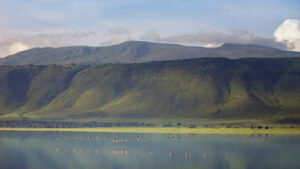
Guide to the Best and Safest Safari Destinations in East Africa; Ngorongoro Crater, amazing wide angle view of the Ngorongoro Crater featuring flamingos flying over the lake.
2. Kenya: The Birthplace of the Safari
Kenya is the most developed safari destination in the region. Its infrastructure for tourism is world-class, making it an ideal choice for families and first-time visitors.
- Why it’s a top choice: The Maasai Mara National Reserve is arguably the most famous safari park in the world. Kenya also offers incredible cultural immersion with the Maasai and Samburu people.
- Safety Profile: While major cities like Nairobi require standard urban precautions, the safari circuits are extremely safe. The “Safari Capital” status means there is a robust network of bush pilots, luxury lodges, and professional guides dedicated to guest security.
- Must-See: Maasai Mara, Amboseli National Park (famous for views of Mt. Kilimanjaro), and the conservancies of Laikipia.
3. Rwanda: The Land of a Thousand Hills
If your dream is to come face-to-face with a mountain gorilla, Rwanda is the gold standard. It is widely considered one of the safest and cleanest countries on the entire continent.
- Why it’s a top choice: Volcanoes National Park offers the most accessible and high-end gorilla trekking experiences in the world. The country is small, meaning travel times between destinations are short.
- Safety Profile: Rwanda has invested heavily in tourism security. It is exceptionally safe for solo travelers and luxury seekers alike. The country’s commitment to conservation and order makes it a stress-free destination.
- Must-See: Volcanoes National Park (Gorilla Trekking) and Nyungwe Forest (Chimpanzee tracking).
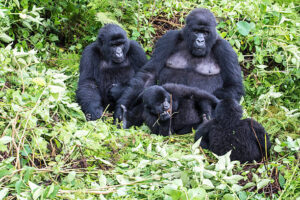
Guide to the Best and Safest Safari Destinations in East Africa; Group of Mountain Gorillas Rwanda is resting together
4. Uganda: The Pearl of Africa
Uganda offers a more rugged, “off-the-beaten-path” experience compared to its neighbors. It is the best destination for those who want to combine savannah wildlife with primate trekking.
- Why it’s a top choice: Bwindi Impenetrable Forest is home to half of the world’s remaining mountain gorillas. Uganda’s landscapes are lush, green, and incredibly diverse.
- Safety Profile: Uganda is generally safe for tourists. The Uganda Wildlife Authority (UWA) maintains a high standard of security in all national parks. As with any destination, sticking to reputable tour operators is the key to a safe experience.
- Must-See: Bwindi Impenetrable Forest, Murchison Falls, and Queen Elizabeth National Park.
Essential Safety Tips for East Africa
Regardless of which country you choose, follow these golden rules to ensure a smooth trip:
- Book with Reputable Operator: Using local companies is not only faster but also saves you time and money.
- Stay in Established Lodges: Avoid “wild camping” unless it is organized by a high-end, professional safari company.
- Travel Insurance: Always purchase comprehensive travel insurance that covers medical evacuation.
- Listen to Your Guide: Your safari guide is your best source of safety information. They are trained to read animal behavior and navigate the terrain.
- Health Precautions: Consult a travel clinic regarding malaria prophylaxis and necessary vaccinations (such as Yellow Fever) well before your departure.

Guide to the Best and Safest Safari Destinations in East Africa; Leopard resting on a fallen tree in Ngorongoro Crater, Tanzania, featuring a serene, natural habitat surrounded by lush greenery. The large cat is lying calmly on the tree branch, blending into the wild environment.
How to ensure safety while traveling on a safari in East Africa?
Traveling on a safari in East Africa (Kenya, Tanzania, Uganda, or Rwanda) is generally safest safari destinations in East Africa and in Africa as a whole, but it requires a different mindset than city travel. The risks are primarily related to wildlife, remote environments, and health.
Here is a comprehensive guide to ensuring your safety while on safari.
1. Wildlife Safety (The Golden Rules)
The most important rule is that wild animals are not tame.
- Stay inside the vehicle: Unless your guide explicitly tells you it is safe to step out (usually in designated areas), never leave the vehicle. Animals often view a vehicle as a single, large object and ignore it, but they see a human stepping out as a threat or prey.
- Keep limbs inside: Do not hang your arms, head, or camera gear out of the windows or pop-top roof when predators are nearby.
- Listen to your guide: Your guide is an expert in animal behavior. If they tell you to be quiet, stay low, or move the vehicle, do it immediately without questioning.
- At the Lodge/Camp: Many safari lodges are unfenced. Never walk around the camp at night without a staff escort. If you are staying in a tented camp, always zip your tent completely shut to keep insects and small animals out.
2. Health and Medical Precautions
- Malaria Prophylaxis: East Africa is a malaria zone. Consult a travel clinic before you leave to get a prescription for anti-malarial medication (like Malarone or Doxycycline).
- Insect Protection: Malaria-carrying mosquitoes are most active at dawn and dusk. Wear long-sleeved shirts and trousers in neutral colors (avoid dark blue or black, which attract tsetse flies). Use a high-quality DEET-based repellent.
- Hydration and Food: Drink only bottled or treated water. Avoid ice in drinks unless you are at a high-end lodge that uses purified water. Eat only cooked foods or fruits you have peeled yourself.
- Vaccinations: Ensure you are up to date on routine vaccines. Yellow Fever vaccination is often a requirement for entry into Kenya, Tanzania, and Uganda.
3. Travel Logistics and Security
- Use Reputable Local Operators: Book your safari through a local tour operator who have the infrastructure to handle emergencies, reliable vehicles, and radio communication in remote areas.
- Avoid Night Driving: Driving on rural roads in East Africa after dark is dangerous due to poor road conditions, lack of lighting, and livestock on the road. Plan your travel to arrive at your destination before sunset.
- Stay Informed: Check your government’s travel advisory website (e.g., U.S. State Department or UK Foreign Office) before you depart for updates on political stability or regional unrest.
- Travel Insurance: Ensure your insurance covers medical evacuation. If you are injured in a remote park, you may need an air ambulance to get to a hospital in Nairobi or Dar es Salaam.
4. Cultural and Personal Safety
- Dress Modestly: East African cultures, particularly in rural areas and coastal regions (like Zanzibar), are conservative. Dress modestly to show respect and avoid unwanted attention.
- Valuables: Do not flash expensive jewelry, large amounts of cash, or high-end electronics in public areas or cities. Use a hotel safe for your passport and extra cash.
- Photography: Always ask permission before taking photos of local people. In some areas, it is considered rude or even illegal to photograph government buildings, military personnel, or border posts.
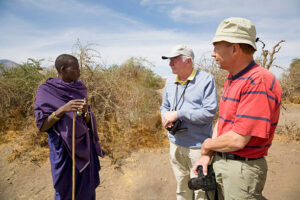
Guide to the Best and Safest Safari Destinations in East Africa; Tourist on walking guided tour with Maasai guide
5. Essential “Safari Kit” for Safety
- A Personal First Aid Kit: Include antiseptic wipes, bandages, rehydration salts (electrolytes), pain relievers, and any personal medications.
- Power Bank: You will be in remote areas where electricity is intermittent. Keep your phone charged so you can call for help if needed.
- Offline Maps: Download Google Maps for the region you are visiting so you can track your location even without cell service.
- Emergency Contacts: Keep a physical card in your wallet with the contact information for your tour operator, your embassy, and your travel insurance provider.
The “Golden Rule” of Safari
Trust your gut. If a situation, a person, or a specific animal encounter feels “off” or makes you uncomfortable, communicate this to your guide immediately. They are there to ensure your experience is both memorable and safe.
What are the best practices for securing my belongings on a safari trip?
Discussing the best and safest safari destinations in East Africa is not complete without securing your belongings on a safari requires a balance between protecting your valuables and ensuring you don’t miss out on the experience. Because safaris often involve small bush planes, open-sided vehicles, and remote lodges, your strategy should focus on portability, discretion, and physical security.
Here are the best practices for keeping your gear safe:
1. The “Carry-On Only” Rule
- Never check your valuables: If you are flying on small bush planes (Cessna Caravans, etc.), weight limits are strict and luggage is often handled by multiple ground crews. Keep your camera gear, laptop, passport, and medication in your carry-on bag.
- Use a soft-sided bag: Most bush planes require soft-sided duffel bags because they fit into the oddly shaped cargo holds of small aircraft. Hard-shell suitcases are often prohibited or difficult to transport.
2. Strategic Packing
- The “Day Bag” Rule: Never leave your day bag unattended in an open safari vehicle, even for a moment. Baboons and monkeys are notorious for jumping into vehicles to steal bags, especially if they smell food.
- Use Internal Locks: If your lodge has a safe, use it. If it doesn’t, use a small luggage lock on your main bag. While this won’t stop a determined thief, it prevents “crimes of opportunity” by housekeeping or other staff.
- Hide in Plain Sight: Use a nondescript, “boring” bag for your camera gear. Avoid branded camera bags (like Lowepro or Canon/Nikon bags) that scream “expensive equipment inside.” A beat-up-looking canvas bag is a much less attractive target.
3. Digital Security
- Cloud Backups: If you are a photographer, back up your photos to a cloud service (like Google Photos or iCloud) every night using the lodge’s Wi-Fi. If your camera is stolen, you won’t lose your memories.
- Offline Copies: Keep digital scans of your passport, travel insurance, and flight itinerary in a secure, encrypted folder on your phone and in your email.
4. Managing Cash and Documents
- The Money Belt/Neck Pouch: When in transit (airports, city centers before heading to the bush), keep your passport and large amounts of cash in a slim money belt worn under your clothes.
- Split your cash: Don’t keep all your tip money or emergency cash in one wallet. Keep some in your room safe, some in your day bag, and some on your person.
- Tipping: Safaris involve a lot of tipping (guides, trackers, lodge staff). Keep your “tip envelopes” ready and separate from your main wallet so you aren’t flashing large amounts of cash when paying for small services.
5. Wildlife-Proofing (The “Non-Human” Threat)
- Baboon/Monkey Awareness: These animals are highly intelligent and have learned that zippers = food. Never leave your tent or room open if you are not inside. Even if you are just stepping out for a minute, zip the mesh screen.
- No Food in Rooms: Do not keep snacks (granola bars, fruit, etc.) in your room. The scent will attract monkeys, baboons, and sometimes even larger animals, who will rip through your luggage to get to the food.
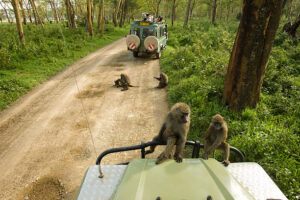
Best and Safest Safari Destinations in East Africa; Olive Baboon, Papio anubis, in the Masai Mara GR, Kenya.
6. Gear Insurance
- Get Specialized Insurance: Standard travel insurance often has low caps on electronics. If you are bringing $5,000+ worth of camera gear, look into a specific policy (like World Nomads or PhotoGuard) that covers theft, loss, and accidental damage.
- Serial Numbers: Keep a list of all your serial numbers in a secure document. If something is stolen, you will need these for the police report and your insurance claim.
7. Trust the Lodge Staff, but Verify
- Most safari lodges are incredibly safe and the staff are vetted, long-term employees. However, it is still best practice to keep your room locked when you are out on a game drive. If you have expensive gear you aren’t taking on the drive, ask the lodge manager if there is a secure office or safe where it can be stored.
Pro-Tip: If you are traveling with expensive camera lenses, never leave them on the seat of the vehicle when you go for a “bush lunch” or a walking safari. Always take your camera bag with you, or lock it in the vehicle’s storage compartment if one is provided.
What you should consider when packing for a safari to ensure security?
Packing for a safari requires a balance between being prepared for the wilderness and keeping your valuables secure. Because safaris often involve small bush planes, open-sided vehicles, and remote lodges, security is as much about protecting your gear from the elements as it is about preventing theft.
Here is what you should consider to ensure security while on safari:
1. The “Carry-On Only” Strategy
If possible, travel with a high-quality, lockable carry-on backpack.
- Why: Checked luggage can be lost or delayed, and in remote areas, it can take days to recover.
- Security Tip: Keep your passport, medication, expensive camera lenses, and electronics in your carry-on at all times. Never check these items.
2. Use Discreet, Non-Descript Bags
Avoid flashy, branded camera bags or expensive-looking luggage that screams “tourist with money.”
- Why: It makes you a target for opportunistic theft in transit hubs (airports, city hotels).
- Security Tip: Use plain, rugged-looking duffel bags. If you have expensive camera gear, use a generic-looking insert inside a standard backpack rather than a branded camera bag.
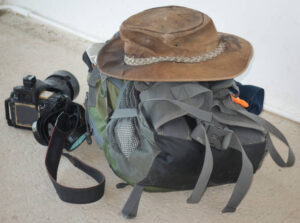
Best and Safest Safari Destinations in East Africa; Cowboy Hat With Camera And Rucksack
3. Invest in Anti-Theft Features
When moving through cities or airports before reaching the bush, use gear that prevents “slash-and-grab” or pickpocketing.
- Lockable Zippers: Use small TSA-approved luggage locks on your main bags.
- Hidden Pockets: Wear a money belt or a neck pouch under your shirt for your passport and emergency cash.
- Cable Locks: If you are staying in a lodge with a shared tent or open-access area, a small retractable cable lock can secure your bag to a bed frame or heavy furniture.
4. Digital Security (The “Cloud” Backup)
If your physical gear is stolen, you don’t want to lose your memories or your identity.
- Cloud Backups: Back up your photos to a cloud service (like Google Photos or iCloud) every night if Wi-Fi is available.
- Digital Copies: Keep encrypted digital copies of your passport, travel insurance, and flight itineraries on a secure cloud drive or a password-protected USB stick.
- Two-Factor Authentication: Ensure your banking apps have 2FA enabled, but be aware that you may not have cell service to receive SMS codes. Use an authenticator app (like Authy or Google Authenticator) that works offline.
5. Managing Cash and Cards
- Diversify: Never keep all your cash in one place. Keep some in your wallet, some in your luggage, and some in a hidden stash.
- Low-Profile Wallet: Use a slim wallet that doesn’t bulge in your pocket.
- Pre-paid Cards: Consider using a travel card (like Revolut or Wise) with a low balance, rather than your primary debit card, to minimize risk if it is compromised.
6. Protecting Gear from the Environment
In the bush, “security” also means protecting your gear from dust, heat, and moisture.
- Dry Bags: Bring high-quality dry bags for your electronics. Dust is the #1 enemy of cameras on safari; it can ruin a sensor, which is a financial loss just as significant as theft.
- Silica Gel Packs: Keep these in your camera bag to absorb moisture and prevent mold during the humid nights.
7. On-the-Ground Awareness
- The “Lodge Safe”: Most reputable safari lodges have safes. Use them for your passport and extra cash. If there is no safe, keep your valuables locked inside your suitcase, and lock the suitcase to a heavy piece of furniture.
- Trust Your Guide: Your safari guide is your primary security officer. They know the local environment and the risks. If they tell you not to leave your bag unattended at a specific stop, listen to them.
- Vehicle Security: When you leave the vehicle for a walking safari or a sundowner, ensure your gear is tucked away and not visible through the windows of the vehicle.
8. Essential “Don’t Pack” List
- Expensive Jewelry: Leave your wedding rings and expensive watches at home. They are unnecessary in the bush and make you a target.
- Excessive Cash: Most safari lodges are “all-inclusive.” You only need a small amount of cash for tips and local markets.
Pro Tip: Before you leave, take a photo of your luggage and its contents. If it is lost or stolen, having a visual inventory makes filing insurance claims and police reports significantly easier.
Conclusion on the Best and Safest Safari Destinations in East Africa
East Africa is a region of breathtaking beauty and profound wildlife encounters. Whether you choose the vast plains of the Serengeti, the iconic landscapes of the Maasai Mara, or the misty mountains of Rwanda, you are guaranteed an experience that will change your perspective on the natural world. By choosing reputable operators and staying informed, you can enjoy a safe, luxurious, and life-changing adventure in the heart of Africa.
Leave a comment:
You must be logged in to post a comment.

Comment 01
Astute Africa Safaris,
05 May, 2026REF: Crafting Your Bespoke African Safari Experience with Astute Africa Safaris
Jambo,
Thank you for your interest in exploring the wonders of Africa with Astute Africa Safaris. We pride ourselves on creating immersive, tailor-made journeys that align perfectly with your personal interests, pace, and travel aspirations.
Because every safari is a unique narrative, we do not believe in “one-size-fits-all” pricing. To ensure we provide you with an accurate and competitive quotation that reflects the specific lodges, wildlife experiences, and logistical arrangements you desire, we invite you to connect with our team for a personalized consultation.
Please contact us at info@astuteafricasafaris.com, Whatsapp +254762663272 or fill the inquiry form with a few details regarding your preferred travel dates, group size, and specific interests (e.g., photography, luxury relaxation, or adventure trekking). Once we have these details, we will curate a comprehensive proposal designed specifically for you.
We look forward to the possibility of helping you plan an unforgettable journey.
Warm regards,
Team Astute Africa Safaris