

- 868 Views
- 40 Min Read
- (1) Comment
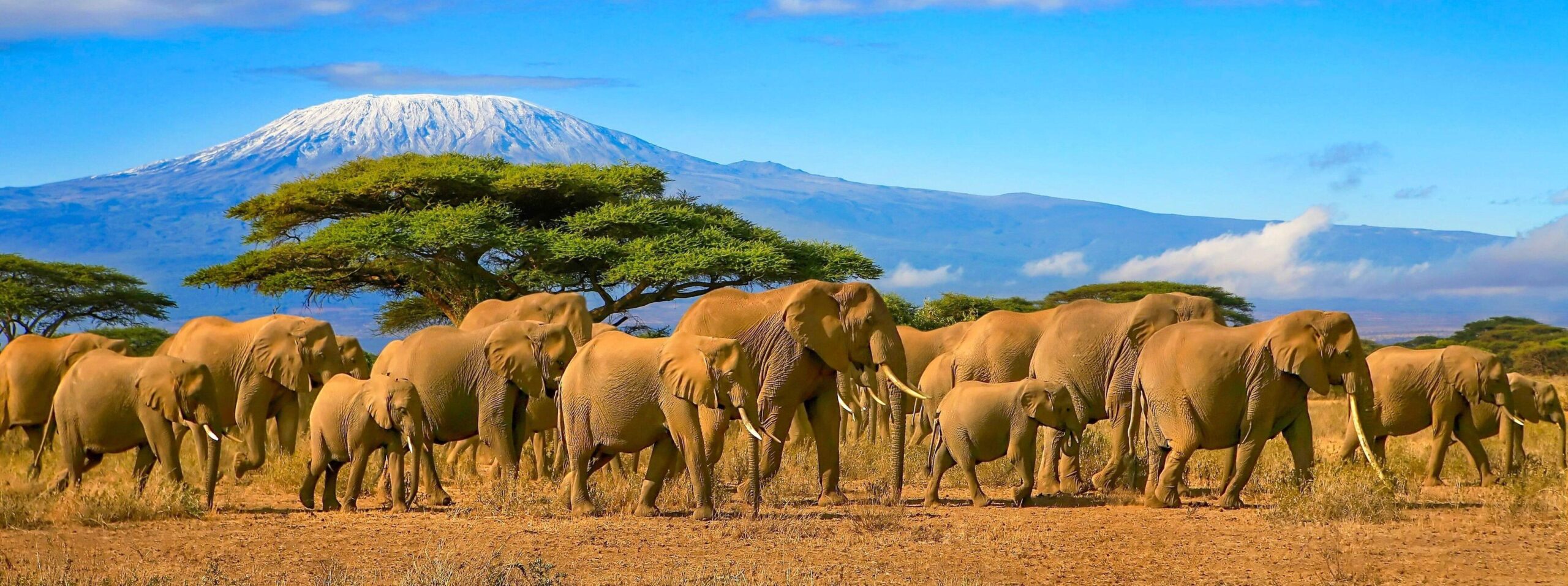
Tanzania is one of Africa’s most rewarding destinations for travellers seeking extraordinary wildlife encounters, dramatic landscapes, authentic cultural experiences and relaxing Indian Ocean beaches. From the endless grasslands of the Serengeti to the wildlife-rich Ngorongoro Crater, the giant baobabs of Tarangire and the turquoise waters of Zanzibar, the country offers remarkable variety within a single holiday.
A Tanzania safari can be a short wildlife adventure, a luxury photographic expedition, a family holiday, a honeymoon or a longer East African journey combining Kenya, Uganda and Rwanda.
The secret to planning a successful trip is choosing the right destinations, travelling at a suitable time of year, allowing enough nights in each wildlife area and matching accommodation and transport to your budget. Travellers hoping to witness the Great Migration, track mountain gorillas in Rwanda or Uganda, climb Mount Kilimanjaro or relax on Zanzibar’s beaches will need different itineraries.
At Astute Africa Safaris, the aim is to help travellers build personalised Tanzania safari and tour itineraries or journeys around their interests, available time, preferred accommodation and budget.
This guide explains where to go, what to experience, when to travel, how to combine safari and beach destinations, and which sample itineraries are worth considering.
What you’ll discover in this guide
-
Tanzania’s best safari parks and lesser-known wilderness areas
-
The Great Migration and seasonal wildlife viewing
-
Zanzibar beach holidays, Stone Town and marine activities
-
Safari costs, accommodation and transport options
-
Family, honeymoon, luxury, budget and photographic safaris
-
Tanzania itineraries from 3 to 21 days and longer
-
Multi-country trips combining Kenya, Uganda and Rwanda
-
Visa planning, health preparation, packing and responsible tourism
-
How to choose the right itinerary and request a tailored quote
1. Why choose Tanzania safari and tour itineraries for your African safari?

Tanzania combines large protected wilderness areas, internationally recognised wildlife destinations, diverse ecosystems and opportunities to extend a safari into a beach or mountain holiday.
Exceptional wildlife viewing
The Serengeti supports large populations of lions, leopards, cheetahs, elephants, giraffes, buffaloes, hyenas, zebras and antelopes. The Ngorongoro Crater offers a different experience, with wildlife concentrated within a remarkable volcanic landscape.
Tarangire is known for its elephants and baobab scenery, while the southern parks offer more remote experiences and opportunities to explore rivers, woodlands and vast wilderness.
Wildlife sightings are never guaranteed. The length of the safari, season, habitat and guide’s knowledge all influence the experience.
The Great Wildebeest Migration
The annual movement of wildebeest, zebras and other grazing animals through the Serengeti–Mara ecosystem is one of Africa’s most famous natural spectacles.
Depending on the season, travellers may see large herds grazing, newborn calves, predators following the herds or animals gathering near river crossings. The migration is a moving ecological process, not a fixed event that takes place at exactly the same location every year.
Safari and beach in one holiday
Tanzania makes it possible to follow early-morning game drives with several days of swimming, snorkelling, diving, cultural exploration and relaxation in Zanzibar.
A safari followed by Zanzibar is especially appealing to honeymooners, couples, families and travellers who want an active adventure balanced with time to unwind.
Cultural and historical experiences
Beyond wildlife, travellers can explore Swahili coastal heritage, Stone Town’s historic architecture, local food traditions and carefully arranged cultural visits with communities such as the Maasai, Hadzabe and Datoga.
Cultural encounters should be organised respectfully, with local participation, informed consent and fair compensation.
Adventure beyond the game drive
Tanzania also offers Mount Kilimanjaro trekking, walking safaris in suitable areas, birdwatching, photographic safaris and, in selected southern and western destinations, boat-based wildlife experiences.
Related guide: Explore Astute Africa Safaris’ guide to the impact of safari tourism in Africa.
2. Understanding Tanzania’s safari circuits
Choosing a safari circuit is one of the most important decisions in trip planning. Tanzania is large, and combining distant parks can involve long road transfers or additional flights.

Northern Circuit
Best for first-time visitors and classic safaris
The Serengeti, Ngorongoro Conservation Area, Tarangire and Lake Manyara are the best-known destinations in this circuit. It suits travellers who want classic savannah wildlife, predator sightings, scenic landscapes and the possibility of following the Great Migration.
Typical gateway: Kilimanjaro International Airport (JRO) or Arusha.

Southern Circuit
Best for remote wilderness and varied safari activities
Nyerere National Park and Ruaha National Park offer a different atmosphere from the busier northern route. Depending on the camp and current regulations, activities may include boat safaris, guided walking safaris and extended game drives.
Typical gateway: Dar es Salaam or regional airstrips serving individual parks.

Western Circuit
Best for specialist wildlife and remote travel
Mahale Mountains and Gombe Stream are renowned for chimpanzee research and tracking experiences. Katavi offers a remote wilderness safari. These destinations require more careful logistics and may involve charter flights and boat transfers.
Typical access: Kigoma and other regional connections, depending on the park.

Coastal and island extensions
Best for relaxation, history and marine activities
Zanzibar combines beaches with Swahili heritage and spice-growing traditions. Pemba is attractive for travellers seeking a quieter island and diving opportunities, while Mafia Island offers marine experiences in and around its protected waters.
Typical access: domestic flights and selected ferry routes, depending on the island and itinerary.
Planning recommendation: For a first visit lasting seven to ten days, prioritise the northern circuit and add Zanzibar if a beach holiday is important. For a return trip or a longer holiday, consider the southern or western circuits instead of trying to cover every region in one journey.
3. The best national parks and wildlife destinations in Tanzania
Serengeti National Park: vast plains and iconic wildlife

The Serengeti is the centrepiece of many Tanzania safari itineraries. Its open grasslands, rocky kopjes, river systems and seasonal grazing areas support an extraordinary range of wildlife.
What to experience:
-
Morning and afternoon game drives.
-
Lions, leopards, cheetahs, elephants, giraffes and other plains wildlife.
-
Seasonal wildebeest and zebra concentrations.
-
Guided photographic safaris.
-
Hot-air balloon safaris with licensed operators in approved locations.
-
Remote tented camps and luxury lodges.
Where should you stay?
-
Central Serengeti: a practical base for resident wildlife and access to several areas.
-
Southern Serengeti and the Ndutu region: particularly relevant during the calving season, subject to seasonal conditions and precise camp location.
-
Western Serengeti: a useful consideration when the herds and itinerary favour the western corridor.
-
Northern Serengeti: a seasonal option for travellers hoping to view the herds around the Mara River.
The right location depends on the dates of travel and the wildlife experience you prioritise. A camp described as being in the Serengeti may be many hours from the area you actually want to visit.
Ngorongoro Conservation Area and Crater

Ngorongoro provides a striking combination of volcanic geology, highland scenery, wildlife and cultural landscapes.
The crater floor supports a dense concentration of animals, making it an important destination for travellers hoping to see several large mammal species during a game drive. Lions, buffaloes, elephants and, with luck, the endangered black rhinoceros may be encountered.
A crater excursion generally takes much of the day once the descent, wildlife viewing, picnic break and ascent are included. Travellers should confirm current vehicle rules, crater access arrangements and applicable conservation fees.
The wider Ngorongoro Conservation Area is more than the crater alone. Its highlands, archaeological heritage and pastoral landscapes can add depth to a longer northern-circuit itinerary.
Tarangire National Park: elephants and baobabs

Tarangire is particularly appealing to elephant lovers, photographers and travellers who appreciate dramatic landscapes.
The Tarangire River and seasonal water sources influence wildlife distribution. During drier periods, elephants and other animals may concentrate around available water, although conditions vary from year to year.
Recommended experiences: full-day game drives, birdwatching, photography, baobab landscapes and relaxing in camps overlooking the wilderness.
Allow at least one full day where possible, especially if Tarangire is a major reason for visiting.
Lake Manyara National Park: forest, escarpment and birdlife

Lake Manyara offers a contrast to the open plains of the Serengeti. Depending on water levels and season, the park may provide opportunities to see elephants, giraffes, buffaloes, primates and a wide variety of birds.
Its forested areas and the dramatic Rift Valley escarpment create a scenic environment for a shorter safari excursion. Flamingo numbers and other waterbird sightings vary with lake conditions.
Lake Manyara can fit well into an itinerary travelling between Arusha, Tarangire, Karatu and the Ngorongoro highlands, but it should not be added automatically if doing so would make the trip rushed.
Nyerere National Park: rivers and remote wilderness

Nyerere National Park, formerly associated with the Selous Game Reserve, is a strong choice for travellers interested in southern Tanzania.
The park’s river systems, woodlands and extensive wilderness offer a different experience from the northern circuit. Depending on the camp and local operating conditions, visitors may enjoy boat safaris, guided walks and conventional game drives.
Nyerere can work well as a fly-in safari followed by Zanzibar. It is less suitable for a short itinerary that already includes several northern parks because the geography makes the combination inefficient.
Ruaha National Park: a wilderness for returning safari travellers

Ruaha is known for its rugged scenery, baobabs, elephants and large-predator habitat. Its remote character can appeal to experienced safari travellers who value a quieter, more wilderness-focused trip.
A longer stay gives you more time to explore different habitats and wildlife territories rather than treating the park as a quick stop.
Ruaha and Nyerere can form a rewarding southern Tanzania safari, but flight schedules, camp opening dates and the season need to be checked before confirming the route.
Mahale Mountains and Gombe Stream: chimpanzee tracking

Travellers seeking primates rather than conventional savannah game drives may consider western Tanzania.
Mahale Mountains and Gombe Stream are associated with chimpanzee research and guided tracking. These are specialist trips, not simple additions to a short Serengeti itinerary. Access, permits, minimum ages, physical demands, seasonal conditions and accommodation must all be confirmed in advance.
If gorilla trekking is the priority, Uganda or Rwanda will usually be the more relevant addition to a Tanzania itinerary.
4. The Great Wildebeest Migration: when and where should you go?

The Great Migration involves the movement of huge herds of wildebeest, accompanied by zebras and gazelles, through the Serengeti ecosystem and into Kenya’s Maasai Mara at different times of year.
It is important to distinguish between three different experiences: seeing the herds, witnessing the calving season and observing a river crossing. Each requires a different approach.
| Approximate period | Area to consider | Main experience |
|---|---|---|
| January–March | Southern Serengeti and Ndutu region | Calving, newborn wildebeest and predator activity |
| April–May | Central and western areas, depending on rainfall and herd movements | Herd movement, grazing and green landscapes |
| June–July | Western corridor and areas farther north as conditions change | Herd movement and potential river activity |
| July–October | Northern Serengeti and Mara River region | Opportunities to observe river crossings |
| November–December | Central and southern areas as rains and grazing conditions change | Herd movement back towards southern grazing areas |
These are broad seasonal patterns, not guarantees. Rainfall, grass availability and herd movements can shift from year to year. River crossings are unpredictable and may not happen during a particular game drive.
How to plan a migration safari well
-
Choose travel dates first, then select the most appropriate Serengeti region.
-
Stay for at least two or three nights in the target area where your budget permits.
-
Select a camp based on its actual location, not only its marketing description.
-
Avoid promising a river crossing or a specific wildlife sighting as a certainty.
-
Book early for popular seasonal camps, especially for school holidays and peak migration periods.
For travellers who want to compare Kenya and Tanzania, a migration safari can also be combined with the Maasai Mara. The best route depends on dates, border arrangements, available flights and the time needed for each destination.
Related article: The Great Wildebeest Migration.
5. Tanzania safari and Zanzibar: the ultimate bush-and-beach holiday

One of Tanzania’s greatest advantages is the opportunity to combine a wildlife safari with an Indian Ocean island holiday. After early starts, dusty tracks and long days watching wildlife, Zanzibar offers warm beaches, historic streets, seafood, Swahili cuisine and opportunities to explore the ocean.
A bush-and-beach itinerary can suit honeymooners, families, couples, groups and travellers celebrating a special occasion.
How many days should you spend in Zanzibar?
-
2–3 nights: a short beach break with time for relaxation and perhaps one organised excursion.
-
4–5 nights: a balanced extension allowing beach time, Stone Town, a spice tour and a marine activity.
-
6–8 nights: more suitable for travellers who want a relaxed pace, diving, cultural activities and several unplanned leisure days.
-
9 nights or longer: consider a slower island holiday or a multi-island extension to Pemba or Mafia, depending on flights and interests.
These are planning suggestions rather than fixed rules. The ideal duration depends on arrival and departure times, resort location and the activities you want to include.
Stone Town: history and Swahili heritage

Stone Town is one of the island’s most distinctive cultural attractions. Its architecture and street life reflect centuries of Indian Ocean trade and Swahili cultural exchange.
Experiences can include:
-
A guided walk through historic streets and architectural landmarks.
-
Local markets, traditional crafts and food experiences.
-
Learning about the island’s complex history, including the legacy of the slave trade.
-
A sunset dhow cruise with a reputable operator, subject to weather and sea conditions.
A guided visit is especially valuable for understanding the history behind the buildings and landmarks rather than simply taking photographs.
Zanzibar spice tours

Zanzibar’s spice-growing traditions offer an engaging introduction to the island’s agricultural heritage. Depending on the farm, visitors may learn about cloves, cinnamon, nutmeg, pepper, vanilla and tropical fruits.
Choose a tour that explains local livelihoods and cultivation practices, rather than one focused only on souvenir sales.
Zanzibar beaches: where should you stay?

Nungwi and Kendwa — northern Zanzibar
Often suitable for travellers seeking attractive beaches, resort choices and relatively less pronounced tidal exposure than many eastern beaches. Sea conditions still vary.

Paje and Jambiani — eastern Zanzibar
Popular with travellers seeking a relaxed coastal atmosphere, kitesurfing in suitable conditions, small hotels and opportunities to explore local village life. Tides can substantially change swimming conditions.

Matemwe — northeastern Zanzibar
Worth considering for a quieter stay and access to selected snorkelling and diving excursions. Marine conditions and boat schedules need to be checked.

Southern Zanzibar
A consideration for travellers seeking a different coastal atmosphere, local fishing communities and selected marine excursions. Choose activities that respect wildlife and avoid disturbing marine animals.
Snorkelling, diving and marine excursions

Zanzibar’s surrounding waters offer opportunities for snorkelling, scuba diving, sailing and boat excursions. Mnemba Atoll is a well-known area for marine activities, but access is governed by local arrangements and conditions.
Before booking, check whether the excursion includes suitable equipment, safety briefings, an experienced operator and the necessary permits or fees. Snorkelling visibility depends on weather, tides and water conditions.
Dolphin excursions should use responsible operators who avoid chasing, crowding or forcing contact with wild dolphins. Sightings are never guaranteed.
Jozani Forest and nature experiences

Jozani Forest is known for the Zanzibar red colobus monkey and offers an opportunity to experience the island’s natural environment beyond the beach.
Visitors should remain on authorised trails, follow their guide’s instructions and avoid feeding or touching wildlife.
Pemba and Mafia: alternatives to a standard Zanzibar stay

Travellers with extra time may prefer to explore another Tanzanian island.
-
Pemba Island: a quieter option for selected diving, marine and nature-based experiences.
-
Mafia Island: associated with the Mafia Island Marine Park and seasonal marine wildlife experiences, including whale sharks when conditions and the season permit.
Neither island should be added without checking flight connections, accommodation availability and the total transfer time. For a trip of only ten days, concentrating on one island often produces a more enjoyable holiday.
The best way to combine a safari with Zanzibar
For most first-time visitors, a sensible structure is:
-
Arrive in Tanzania and spend a night in Arusha if needed.
-
Explore the northern safari circuit for four to six nights.
-
Fly to Zanzibar, ideally using a suitable direct or connecting domestic service.
-
Spend three to five nights on the island.
-
Depart from Zanzibar if the international flight schedule allows.
A domestic flight between the safari region and Zanzibar can save substantial road travel. However, flight routes, baggage restrictions, operating days and connections vary, so the itinerary must be built around confirmed schedules.
6. The best time to visit Tanzania
There is no single best month for every Tanzania safari. The ideal time depends on whether you prioritise migration viewing, general wildlife, birdwatching, climbing Kilimanjaro, lower-season pricing or Zanzibar beach conditions.
| Period | Safari considerations | Zanzibar considerations |
|---|---|---|
| January–February | Often favourable for southern Serengeti calving-season trips, depending on rainfall | Can be hot and humid; marine conditions vary |
| March–May | Long rains commonly affect parts of the mainland; greener scenery and potentially quieter travel, but some camps and roads may be affected | Rainfall can disrupt beach plans and excursions |
| June | Often a useful transition into the drier season; herd locations vary | Frequently considered for combining safari with the coast |
| July–September | Popular dry-season period for wildlife viewing; northern Serengeti migration camps can be in high demand | Popular holiday period; reserve accommodation early |
| October | Often remains useful for safari, although local weather varies | Conditions vary; consider flexible excursion plans |
| November–December | Short rains may occur; greener landscapes and seasonal herd movements | Festive periods can be busy; book holiday dates early |
These are broad seasonal guides, not guarantees of weather or wildlife activity.
Best time for the Great Migration
For the calving season, investigate the southern Serengeti and Ndutu region around January to March. For possible Mara River crossing activity, consider northern Serengeti camps during the broad July–October window.
The actual location of the herds depends on rainfall and grazing. A reliable itinerary plans around the most likely area, allows time to explore and communicates the uncertainty honestly.
Best time for general wildlife viewing
The dry season is often preferred because vegetation may be less dense and animals can concentrate around water sources. Nevertheless, Tanzania can offer rewarding wildlife experiences outside the peak dry season, and the best choice depends on the park and traveller’s priorities.
Best time for Zanzibar
Zanzibar is a year-round destination, but rainfall, humidity, sea conditions and tides influence the experience. Many travellers favour the drier parts of the year, while the wetter months may suit those with flexible schedules and an interest in quieter travel.
Always check local marine conditions for diving, snorkelling and boat trips.
Best time for a family safari
Families should prioritise comfortable temperatures, sensible driving distances, child-friendly accommodation and enough time to rest. School holidays can affect prices and availability, so it is worth booking early.
Related guides:
7. Tanzania safari costs: what determines the price?

Tanzania safari prices vary considerably. A short road-based trip using comfortable lodges can cost far less than a private fly-in itinerary staying in exclusive camps during the Great Migration.
Rather than publishing a single price that may be misleading, a good safari quotation should be built around the traveller’s dates, group size, destinations, accommodation, transport and inclusions.
Main factors affecting cost
1. Travel season
Peak travel periods and high-demand migration camps can command higher rates. Accommodation availability is particularly important when planning a trip around a specific wildlife event.
2. Accommodation level
Budget camping, standard lodges, mid-range tented camps, luxury lodges and ultra-luxury properties have different rates and service levels.
3. Number of travellers
A private vehicle and guide may be shared across a group, so the per-person cost often differs for solo travellers, couples and families.
4. Safari transport
A road safari and a fly-in safari have different costs. Internal flights can save time but may add airfares, baggage restrictions and transfer expenses.
5. Park and conservation fees
Park entry, crater service charges, conservation fees, concession fees and other mandatory costs can materially affect the total. Confirm the current applicable fees for the travel dates.
6. Zanzibar extension
Beach accommodation, domestic flights, airport transfers, marine excursions and meal plans all contribute to the overall holiday cost.
7. Cross-border arrangements
Combining Tanzania with Kenya, Uganda or Rwanda can involve additional flights, visa requirements, border transfers, guides and vehicle logistics.
Budget, mid-range, luxury and ultra-luxury

Budget safari
Suitable for travellers prioritising the wildlife experience and willing to accept simpler accommodation, shared services where available and less flexibility. Confirm the standard of camping, facilities, meals and transport.

Mid-range safari
A balance of comfort, guided wildlife viewing and value. Accommodation may include lodges or tented camps with private bathrooms, restaurant facilities and convenient access to safari areas.

Luxury safari
Often includes high-quality lodges or tented camps, attentive service, attractive locations and more private or flexible arrangements. Some packages include drinks, laundry or additional activities, but the details differ.

Ultra-luxury safari
For travellers seeking exceptional privacy, exclusive camps, premium guiding and carefully coordinated flights or bespoke experiences. The price may rise significantly during peak periods.
What should a Tanzania safari quote include?
Ask for an itemised quotation confirming:
-
Accommodation and the number of nights.
-
Meals and drinks included.
-
Private or shared transport and the type of safari vehicle.
-
Driver-guide services.
-
Park entry, conservation and applicable activity fees.
-
Domestic flights, baggage limits and airport transfers.
-
Zanzibar accommodation and excursions, if included.
-
Airport transfers and any pre- or post-safari hotel.
-
Taxes, service charges, exclusions and payment terms.
-
Cancellation, amendment and travel insurance conditions.
This helps you compare like-for-like itineraries rather than choosing only by the headline price.
Important: Rates should be confirmed for the specific travel dates.
8. Tanzania safari by travel style
Family safaris

Family safaris should balance wildlife viewing with rest, suitable accommodation and manageable transfer times.
Recommended planning principles:
-
Choose fewer destinations and spend longer in each.
-
Confirm minimum ages for walking activities and specialist excursions.
-
Check child rates, family rooms, adjoining rooms and family tent availability.
-
Ask whether a private vehicle is worthwhile for flexibility.
-
Plan meals, downtime and realistic daily schedules.
-
Check child policies for Zanzibar excursions and boat activities.
A family trip of seven to ten days might combine Tarangire, the Ngorongoro area and the Serengeti, followed by Zanzibar. Families with very young children may prefer shorter drives and fewer camp changes.
Read more: The ultimate guide to an African safari with children and Family safari holidays in Africa.
Honeymoon and romantic safaris

A honeymoon can combine intimate tented camps, private game drives, a hot-air balloon experience where available, and several nights at a Zanzibar resort.
The best honeymoon is not necessarily the most expensive one. A well-paced itinerary, carefully chosen accommodation and enough uninterrupted time together are often more valuable than moving between too many destinations.
Read more: How to plan a luxury African safari.
Solo travel and small groups
Solo travellers can consider scheduled group departures where available or a private itinerary tailored to their budget. Small groups may offer a lower per-person cost than a private vehicle, depending on the package.
Check room supplements, group departure dates, vehicle capacity and whether the itinerary includes time for individual interests.
Photographic safaris
Photographers may benefit from longer stays in a single wildlife area, flexible game drives and accommodation selected for proximity to seasonal wildlife concentrations.
Ask about vehicle arrangements, charging facilities, camera support, guide experience and whether specialist photographic vehicles are available. A balloon flight offers a different perspective but does not replace ground-based photography.
Birdwatching safaris
Tanzania’s varied habitats support a rich birdlife, including savannah species, wetland birds, forest species and migratory visitors. Birdwatchers should plan around the habitats and seasonal movements relevant to their target species.
A specialist guide can help identify species and improve the itinerary. Consider Tarangire, Lake Manyara, the Serengeti, the Ngorongoro highlands and, for longer specialist trips, selected southern or western areas.
Cultural and heritage journeys

A cultural itinerary may include a guided visit with Maasai hosts, local agricultural experiences around Mto wa Mbu, or a carefully arranged visit to Hadzabe and Datoga communities near Lake Eyasi.
These experiences should be led by community members or responsible local guides, respect photography consent and avoid treating communities as attractions without agency.
Read more: Cultural immersion and experiencing Maasai traditions.
9. The best Tanzania safari and Zanzibar itinerary samples
The following itineraries are planning templates for Astute Africa Safaris enquiries. Actual routing should be adjusted for flight schedules, camp locations, park rules, seasonality and the traveler’s interests.
Image placement recommendation: use a large landscape image immediately below this section heading, then one relevant image at the beginning of each major itinerary section. This gives each itinerary its own visual identity without overwhelming readers with repetitive photographs.

Itinerary 1: Classic Tanzania safari — 3 to 4 days
Short safari
Best for: Travellers with limited time, business visitors, or people adding a short safari to a longer holiday.
Suggested route: Arusha – Tarangire – Ngorongoro area.
| Day | Suggested activities | Overnight |
|---|---|---|
| 1 | Arrive in Arusha; transfer to Tarangire for a game drive if arrival time permits | Tarangire or nearby |
| 2 | Morning and afternoon game drives in Tarangire | Tarangire or Karatu |
| 3 | Visit the Ngorongoro Crater if the itinerary and fees allow; otherwise explore the highlands and return to Arusha | Arusha or Karatu |
| 4 | Optional extra wildlife viewing or departure | Departure |
Alternative: With three days, focus on Tarangire and the Ngorongoro area, or arrange a short Serengeti trip by air if the budget permits. Trying to cover Tarangire, Ngorongoro and the Serengeti in just three days can result in excessive driving.
Itinerary 2: Best of Tanzania’s northern circuit — 7 days

Best for: First-time visitors wanting a varied safari and strong opportunities for classic wildlife viewing.
| Day | Destination | Main experience |
|---|---|---|
| 1 | Arusha | Arrival, rest and safari briefing |
| 2 | Tarangire | Elephants, baobabs and game drives |
| 3 | Karatu and Lake Manyara area | Forest, birdlife and Rift Valley scenery, subject to park choice |
| 4 | Ngorongoro | Crater wildlife viewing |
| 5 | Central Serengeti | Scenic transfer and afternoon game drive |
| 6 | Serengeti | Full day exploring wildlife areas with your guide |
| 7 | Serengeti to Arusha or onward connection | Final game drive or scheduled flight, subject to timing |
How to improve this itinerary: If the Great Migration is the main priority, select the Serengeti region according to the expected seasonal herd location. For some travellers, two nights in the Serengeti are more valuable than adding another park.
Itinerary 3: Tanzania safari and Zanzibar beach holiday — 10 days

Best for: Couples, honeymooners, families and first-time visitors seeking both wildlife and relaxation.
| Day | Destination | Main experience |
|---|---|---|
| 1 | Arusha | Arrival and rest |
| 2 | Tarangire | Elephant viewing and game drives |
| 3 | Ngorongoro area | Crater excursion and highland scenery |
| 4 | Serengeti | Transfer and wildlife viewing |
| 5 | Serengeti | Full day of game drives |
| 6 | Serengeti to Zanzibar | Scheduled flight where available, then beach transfer |
| 7 | Zanzibar | Beach relaxation and swimming, subject to conditions |
| 8 | Zanzibar | Stone Town and/or spice tour |
| 9 | Zanzibar | Snorkelling, diving or a leisure day |
| 10 | Zanzibar departure | Airport transfer |
Why it works: The safari has enough time for several different wildlife environments, while the island extension provides a slower pace. If possible, add an extra safari night or a beach night rather than trying to fit every optional activity into the schedule.
Itinerary 4: Great Migration and Zanzibar — 12 days
Best for: Wildlife enthusiasts, photographers and travellers who want a seasonal safari followed by a beach holiday.
| Day | Destination | Main experience |
|---|---|---|
| 1 | Arusha | Arrival and rest |
| 2 | Tarangire | Game drives and baobab landscapes |
| 3 | Ngorongoro area | Crater or highland exploration |
| 4 | Transfer to the appropriate Serengeti region | Seasonal wildlife viewing |
| 5–7 | Serengeti | Explore the migration area, with time for predator viewing |
| 8 | Serengeti to Zanzibar | Domestic flight, subject to schedule |
| 9–11 | Zanzibar | Beaches, Stone Town and optional marine activities |
| 12 | Departure | International flight or onward connection |
The northern Serengeti may be suitable for a trip focused on potential river crossings, while southern Serengeti and Ndutu are relevant to calving-season plans. The exact route should follow the likely herd location rather than a fixed calendar promise.
Itinerary 5: Luxury Tanzania safari and Zanzibar — 12 to 14 days

Best for: Honeymoons, anniversaries, premium travellers and private groups.
| Stage | Suggested stay | Experience |
|---|---|---|
| Arrival | 1 night in Arusha | Recovery, briefing and optional local experiences |
| Tarangire | 2 nights | Private game drives and carefully selected lodge |
| Ngorongoro | 1–2 nights | Crater excursion and highland scenery |
| Serengeti | 3–4 nights | Premium camp, private guiding where available and flexible wildlife viewing |
| Zanzibar | 4–5 nights | Beach resort, private transfers and optional excursions |
Luxury does not have to mean changing camps every night. Staying longer at a well-positioned camp may provide a better wildlife experience than adding more destinations.
Optional additions include a balloon safari where available, private dining experiences offered by the lodge, a specialist photographic guide or an extra island night.
Itinerary 6: Tanzania’s southern wilderness and Zanzibar — 9 to 12 days
Best for: Returning safari travellers, nature enthusiasts and people seeking a less conventional route.
| Day | Destination | Main experience |
|---|---|---|
| 1 | Dar es Salaam | Arrival and overnight stay |
| 2–4 | Nyerere National Park | Game drives and selected boat or walking activities, where available |
| 5–7 | Ruaha National Park | Remote wilderness and wildlife viewing, subject to suitable flight connections |
| 8 | Transfer to Zanzibar | Domestic flight or scheduled connections |
| 9–11 | Zanzibar | Beaches and optional cultural or marine excursions |
| 12 | Departure | International connection |
This is a fly-in concept, not a fixed road itinerary. Park access, airstrip schedules, operating seasons and camp availability must be checked before quoting. Travellers on a tighter budget may prefer one southern park rather than trying to visit both.
Itinerary 7: Tanzania, Mount Kilimanjaro and Zanzibar — 12 to 16 days

Best for: Active travellers who want mountain trekking, a wildlife safari and an island holiday.
A sample structure is:
-
Days 1–2: Arrival, preparation and recovery in Moshi or Arusha.
-
Days 3–9: A properly planned Kilimanjaro climb, depending on the route and itinerary selected.
-
Day 10: Recovery and transfer to a suitable safari starting point.
-
Days 11–13: Tarangire and/or the Ngorongoro area, or a short Serengeti fly-in safari.
-
Days 14–16: Zanzibar beach extension and departure.
The precise duration depends on the chosen Kilimanjaro route. The mountain section should allow adequate acclimatisation and follow a responsible climbing operator’s plan. A climb should not be shortened simply to fit more parks into the same holiday.
Itinerary 8: Tanzania and Kenya safari with Zanzibar — 14 to 16 days

Best for: Travellers who want to experience two of East Africa’s leading safari destinations.
| Days | Destination | Main experience |
|---|---|---|
| 1 | Nairobi, Kenya | Arrival and rest |
| 2–3 | Amboseli National Park | Elephants, open plains and Kilimanjaro views when clear |
| 4–6 | Maasai Mara | Big cats and seasonal migration viewing |
| 7–9 | Serengeti | Tanzania’s vast plains and resident wildlife |
| 10 | Ngorongoro area | Crater excursion or highland stay |
| 11–14 | Zanzibar | Beach, Stone Town and optional excursions |
| 15–16 | Departure buffer or extra beach nights | Depending on international flights |
This is an illustrative route. Moving between the Maasai Mara and Serengeti requires careful border and vehicle planning or suitable flights. The itinerary should not assume that the same safari vehicle can automatically cross the border or that every lodge-to-lodge transfer is straightforward.
An alternative is to fly between safari regions, depending on schedules, cost and the desired amount of time on the ground.
Related guides:
Itinerary 9: Tanzania, Kenya, Uganda and Zanzibar — 16 to 19 days

Best for: Travellers who want a broader East African adventure with savannah wildlife and forest primates.
| Days | Destination | Main experience |
|---|---|---|
| 1–2 | Nairobi, Kenya | Arrival and city recovery |
| 3–4 | Maasai Mara | Classic savannah wildlife |
| 5–7 | Serengeti, Tanzania | Wildlife viewing and seasonal migration planning |
| 8 | Ngorongoro area | Crater wildlife and highland scenery |
| 9 | Arusha and flight connections | Transfer and onward travel preparation |
| 10–12 | Uganda | Gorilla trekking or other suitable wildlife experiences |
| 13–16 | Zanzibar | Beach holiday and coastal activities |
| 17–19 | Extra nights or departure buffer | Based on flight schedules and preferred pace |
Important routing note: This is a multi-country concept, not a promise of direct connections between every location. It may be more efficient to arrange the Uganda section before or after Tanzania using available flights. The Maasai Mara–Serengeti border crossing is not an ordinary tourist transfer that should be assumed available without checking the precise operating arrangements.
Gorilla permits must be secured for the appropriate date and trekking location. A realistic itinerary should allow enough time to reach the trekking region and attend the required briefing.
Itinerary 10: Tanzania, Rwanda and Zanzibar — 12 to 16 days

Best for: Travellers interested in the Serengeti, Ngorongoro, mountain gorillas and a beach holiday.
A practical structure is:
-
Days 1–2: Arrive in Arusha and begin the northern circuit.
-
Days 3–6: Tarangire, Ngorongoro and Serengeti, with the exact sequence adapted to flights and season.
-
Day 7: Transfer to an appropriate airport and fly to Rwanda, according to available schedules.
-
Days 8–10: Kigali and Volcanoes National Park, with a confirmed gorilla trekking permit if trekking is the priority.
-
Days 11–14: Zanzibar beach extension.
-
Days 15–16: Additional leisure time or departure buffer.
Rwanda is especially attractive for travellers interested in mountain gorillas and a shorter, well-organised primate experience. A gorilla trek requires a permit and follows strict wildlife protection rules; sightings and the physical difficulty of the trek cannot be guaranteed.
For travellers with only 12 days, consider reducing the number of Tanzanian parks rather than trying to visit all of them.
Itinerary 11: Tanzania, Uganda, Rwanda and Zanzibar — 18 to 21 days
Best for: Travellers seeking a comprehensive East African wildlife and primate holiday.

This longer itinerary can combine:
-
Tanzania’s Serengeti, Ngorongoro and Tarangire.
-
Uganda’s Bwindi Impenetrable National Park or Mgahinga Gorilla National Park for gorilla trekking, or Kibale Forest for chimpanzee tracking.
-
Rwanda’s Volcanoes National Park for a second gorilla trekking experience, if desired and permitted.
-
Kigali for cultural and historical experiences.
-
Zanzibar for a relaxed beach finale.
A sensible structure is six to eight nights in Tanzania, four to five nights in Uganda, three to four nights in Rwanda and four nights in Zanzibar, with additional nights or buffers where flight schedules require them.
This is a complex itinerary. It requires advance permit planning, separate country entry checks, reliable regional flights and careful consideration of the time needed for road transfers. Two gorilla trekking experiences can be rewarding, but they add substantial cost and physical demands; one country may be enough for many travellers.
Itinerary 12: Tanzania, Uganda, Rwanda and Kenya — 18 to 24 days
Best for: Travellers who want a safari and primate-focused journey through several East African countries, with or without Zanzibar.

Possible experiences include:
-
Kenya: Maasai Mara, Amboseli or other parks selected for the season.
-
Tanzania: Serengeti, Ngorongoro and Tarangire.
-
Uganda: gorilla trekking, chimpanzee tracking or Queen Elizabeth National Park.
-
Rwanda: Volcanoes National Park and Kigali.
-
Optional Zanzibar: three to five nights for beaches and coastal culture.
This itinerary should be planned as a series of logical regional journeys, not as a checklist of countries. The order should be determined by flight schedules, permit dates, preferred wildlife experiences and the international arrival and departure airports.
For a traveller with 18 days, it may be better to choose three countries and one strong wildlife or primate experience in each. For 21–24 days, there is more room for four countries or a Zanzibar extension.
All multi-country itineraries should be confirmed against current border procedures, flights, vehicle arrangements, visa rules, park regulations and permit availability before being published as bookable packages.
10. How to choose between a road safari and a fly-in safari

Both transport styles can deliver excellent wildlife experiences, but they suit different budgets and travel schedules.
| Consideration | Road safari | Fly-in safari |
|---|---|---|
| Cost | Often more economical for several destinations on a logical route | Usually higher because of flights and transfers |
| Scenery | More opportunities to experience changing landscapes and rural areas | More time in the air and less time on long road transfers |
| Flexibility | Private vehicles can offer flexible stops within applicable rules | Depends on flight schedules and camp transfers |
| Best suited to | First-time visitors, families and travellers exploring several connected parks | Travellers with limited time, remote parks or premium itineraries |
| Main consideration | Long drives between distant destinations | Flight availability, baggage limits and weather-related changes |
A hybrid itinerary can be especially effective. For example, travellers might drive between Tarangire and Ngorongoro, then take a scheduled bush flight from the Serengeti to Zanzibar.
When planning, check the actual journey times rather than relying on straight-line distances. Road conditions, park tracks, stops and wildlife viewing can make transfers longer than expected.
11. Where should you stay on a Tanzania safari?
Accommodation should be selected according to the wildlife areas you want to explore, your preferred comfort level and your budget.
Lodges and tented camps inside or near national parks
Staying inside or near a park can reduce transfer times and make early game drives easier. However, a camp’s precise location matters: a property advertised as a Serengeti camp may be far from the migration area you hope to visit.
Ask your safari planner to explain why each accommodation choice suits your itinerary.
Crater rim or Karatu?
The Ngorongoro area offers different accommodation experiences. Crater-rim properties can provide dramatic views and convenient access to the crater, while Karatu offers other lodge choices and can work well for broader northern-circuit routing.
The right option depends on price, available rooms, the following day’s destination and current crater access arrangements.
Arusha and Moshi
Arusha is a common base for northern-circuit safaris, while Moshi is particularly relevant to Mount Kilimanjaro trips. Both can provide a practical arrival or departure night, depending on airport transfers and flight times.
Zanzibar accommodation
Choose the beach area based on your preferred atmosphere, swimming conditions, marine activities and the time needed to reach the airport or Stone Town. A resort’s advertised beachfront location does not guarantee that the sea will be suitable for swimming at every tide.
What to ask before booking
-
Is the property inside a park, in a concession or outside the boundary?
-
How long does it take to reach the wildlife area?
-
Are meals, drinks, laundry and activities included?
-
Are family rooms and child-friendly facilities available?
-
What are the cancellation and payment terms?
-
Are transfers and domestic flights included in the quoted price?
12. Tanzania safari planning for families, couples and groups
Different travellers need different trip structures. A personalised itinerary should reflect not just destinations, but how people prefer to travel.

Families with children
Prioritise shorter transfers, flexible game drives, family rooms and camps with age-appropriate activities. Check minimum ages for walking safaris, balloon flights and other excursions.

Honeymooners and couples
Combine a few well-positioned safari camps with time for private experiences and a beach extension. Avoid an itinerary so busy that every day becomes a transfer.

Photographers and wildlife enthusiasts
Allow several nights in priority wildlife areas, travel with a guide experienced in wildlife interpretation and confirm any specialist vehicle or photographic arrangements.

Friends and small groups
Compare private vehicle costs with scheduled group departures. Confirm vehicle capacity, room-sharing arrangements, individual dietary needs and whether everyone wants the same activities.
13. Cultural experiences and responsible tourism in Tanzania
A meaningful safari can include the people, traditions and history of the places being visited.
Tanzania’s cultural diversity includes Maasai pastoral communities, Hadzabe hunter-gatherers, Datoga communities, Swahili coastal traditions and many other groups. These communities have distinct histories and contemporary lives; they should not be presented as a single, unchanging cultural experience.
How to arrange a respectful cultural visit
-
Use a responsible local operator or community guide.
-
Ask whether the community is involved in designing and benefiting from the visit.
-
Obtain permission before taking photographs or recording people.
-
Respect requests not to photograph certain activities or individuals.
-
Avoid staged or intrusive experiences that disregard local preferences.
-
Learn about contemporary livelihoods as well as cultural heritage.
Supporting conservation and local communities
Responsible tourism can support employment for guides, drivers, camp staff, artisans, food suppliers and community-led initiatives. Accommodation and tour operators can also contribute to wildlife conservation and habitat protection.
However, benefits depend on how a business operates. Travellers should ask specific questions about local employment, community partnerships, conservation contributions and environmental practices rather than assuming every safari automatically delivers the same outcomes.
For more context, read Astute Africa Safaris’ guide to the impact of safari tourism in Africa.
14. What to pack for a Tanzania safari and Zanzibar holiday

If your trip includes both the mainland and Zanzibar, pack for wildlife viewing, changing temperatures, tropical weather and beach activities.
Safari essentials
-
Lightweight neutral-coloured clothing.
-
Comfortable walking shoes and closed footwear.
-
A warm layer for cool mornings and evenings.
-
Sun hat, sunglasses and sunscreen.
-
Binoculars and camera equipment if desired.
-
Reusable water bottle, subject to your operator’s arrangements.
-
Small daypack and personal medications.
-
Insect repellent.
-
Copies of travel documents and insurance details.
Zanzibar essentials
-
Swimwear and lightweight beach clothing.
-
Sun protection and suitable footwear for beaches and boat excursions.
-
Clothing that respects local customs when visiting towns, villages and religious sites.
-
A waterproof bag for selected marine activities.
-
Any required personal medication and travel documents.
Camera and baggage considerations
Small aircraft serving remote safari camps may have strict baggage allowances and size restrictions. Soft-sided bags are often required. Check the actual airline’s current limits before packing, especially if you are carrying camera equipment or travelling with children.
15. Health, safety and practical travel information
Good preparation is an important part of a successful safari.
Health preparation
Consult a qualified travel-health professional well before departure. Advice may depend on your home country, travel route, length of stay, existing medical needs and the places you plan to visit.
Ask about routine vaccinations, malaria prevention where relevant, food and water precautions, insect protection and any destination-specific health requirements. Carry prescribed medicines in their original packaging where possible.
Wildlife safety
Always follow your guide’s instructions. Stay in authorised areas, keep a safe distance from animals and do not approach, feed or attempt to touch wildlife. Walking activities should only take place with authorised guides and the required safety arrangements.
Travel insurance
Consider insurance that covers medical treatment, emergency evacuation, trip cancellation and interruptions. If your trip includes gorilla trekking, Kilimanjaro climbing or specialist adventure activities, check that the policy explicitly covers them.
Travel documents and entry requirements
Travellers should confirm the following for every country on their itinerary:
-
Passport validity and any applicable blank-page requirements.
-
Visa or electronic travel authorisation requirements for their nationality.
-
Current entry and health documentation requirements.
-
Any permits needed for gorilla trekking, chimpanzee tracking or other regulated activities.
-
Rules for children travelling with one parent or another adult, where applicable.
Important for multi-country trips: Do not assume one visa covers all East African countries. Tanzania has separate entry requirements from Kenya, Uganda and Rwanda. The East African Tourist Visa is a regional option for eligible travel involving Kenya, Rwanda and Uganda, subject to its current terms; it does not replace the separate Tanzanian visa or entry process. Verify the latest rules with official immigration authorities before paying for flights or permits.
Money, payments and tipping
Confirm the currencies accepted by your lodges, the payment method for optional activities and whether card payments incur additional fees. Keep some appropriate local currency for small purchases where needed.
Tipping expectations vary by operator, camp and service. Ask your safari planner for current guidance rather than relying on a fixed amount that may not suit every trip.
Connectivity and electricity
Mobile coverage and internet access vary by location. Remote camps may offer limited connectivity or scheduled charging facilities. Ask your accommodation about charging arrangements, power outlets and Wi-Fi before travelling.
16. How to choose the right Tanzania safari operator
The operator you choose influences the quality of the itinerary, communication, logistics and support when plans change.
Before booking, consider the following:
-
Clear business information: Can you find the operator’s contact details, terms and conditions, and relevant registration or licensing information?
-
A transparent quotation: Are accommodation, transport, park fees, meals, flights and exclusions clearly stated?
-
Appropriate local knowledge: Can the planner explain why a particular park or camp is recommended for your dates?
-
Realistic promises: Does the operator explain that wildlife sightings, migration movements and weather cannot be guaranteed?
-
Practical support: Is there a clear contact for airport transfers, schedule changes and on-trip assistance?
-
Payment security: Are payment instructions, cancellation rules and receipts clearly documented?
-
Responsible practices: Can the operator explain its approach to conservation, community visits and wildlife welfare?
For travellers booking through Astute Africa Safaris, the goal should be a tailor-made itinerary supported by clear communication, realistic expectations and transparent terms.
Useful Astute resources:
17. Frequently asked questions about Tanzania safaris

What is the best Tanzania safari itinerary?
For first-time visitors, a seven-day northern-circuit safari covering Tarangire, Ngorongoro and the Serengeti is an excellent starting point. Travellers who also want Zanzibar should consider a 10–14-day holiday to allow enough time for both wildlife and the coast.
How many days do you need for a Tanzania safari?
Three to four days can provide a worthwhile short safari, but seven to ten days allows a more varied experience. If you want to combine several parks, Zanzibar or other East African countries, allow approximately 12–21 days or longer, depending on the route.
Can you combine Tanzania safari and Zanzibar?
Yes. Tanzania’s safari regions connect with Zanzibar through domestic flight options, depending on the departure point and operating schedule. A popular plan is to spend five to seven days on safari followed by three to five nights on Zanzibar.
Is Zanzibar part of Tanzania?
Zanzibar is a semi-autonomous part of the United Republic of Tanzania. It has its own local government arrangements, and travel planning should account for applicable immigration and administrative procedures.
Which is better: Serengeti or Ngorongoro?
They provide different experiences. The Serengeti offers expansive plains, diverse wildlife habitats and the Great Migration. Ngorongoro is known for its dramatic crater scenery and concentrated wildlife viewing. Many first-time visitors benefit from including both.
Can I see the Big Five in Tanzania?
Tanzania is home to the lion, leopard, elephant, buffalo and rhinoceros. The Serengeti and Ngorongoro are among the destinations travellers consider when seeking all five, but no safari can guarantee every sighting.
What is the best month for a Tanzania safari?
The answer depends on your priorities. January–March is worth considering for the southern Serengeti calving season, while July–October is a broad window for northern Serengeti migration viewing. Other months can also offer excellent experiences depending on the destination and conditions.
Is Tanzania good for a honeymoon?
Yes. A safari followed by a Zanzibar beach stay can combine wildlife, private experiences, attractive accommodation and relaxation. A 10–14-day itinerary is a useful starting point for couples.
Is Tanzania suitable for a family safari?
Yes, with the right itinerary. Families should select accommodation with appropriate child policies, manageable driving distances and suitable activities. Confirm age restrictions before booking walking safaris, balloon flights or specialist excursions.
Can Tanzania be combined with Kenya?
Yes. The Maasai Mara and Serengeti are natural choices for a multi-country safari. However, international border arrangements, vehicle restrictions, flights and transfer logistics must be planned in advance.
Can I combine Tanzania with Uganda or Rwanda for gorilla trekking?
Yes. Uganda and Rwanda both offer mountain gorilla trekking in designated protected areas. Permits are limited and must be secured for the correct date and location. Regional flights and road transfers should be planned around the confirmed permit.
Is Tanzania expensive for a safari?
It can range from relatively economical camping and lodge-based trips to premium fly-in experiences. The main factors are accommodation, travel season, park fees, transport, group size and the number of destinations.
Should I book a road safari or fly-in safari?
Road safaris are often attractive for travellers visiting connected northern parks. Fly-in safaris can save time for remote areas or short trips. A combination of both can be particularly effective for a safari followed by Zanzibar.
What should I check before booking?
Confirm the itinerary, accommodation, travel dates, park fees, transport, flights, meals, exclusions, payment terms, cancellation rules, entry requirements and travel insurance. For migration and primate trips, check the intended wildlife area and permit arrangements carefully.
18. Plan your Tanzania safari with Astute Africa Safaris

The best Tanzania safari is not necessarily the one that includes the most parks. It is the one that matches your interests, budget, travel dates and preferred pace.
You might want to follow the Great Migration across the Serengeti, explore the Ngorongoro Crater, photograph elephants beneath Tarangire’s baobabs, relax on Zanzibar’s beaches or extend your holiday into Kenya, Uganda and Rwanda.
Astute Africa Safaris can use these priorities as the starting point for a personalised East African itinerary, with the routing, accommodation and transport selected around the experience you want.
Ready to plan your Tanzania safari and Zanzibar holiday?
Visit Astute Africa Safaris to enquire about a tailor-made safari, discuss a multi-country itinerary or request a quotation for your preferred travel dates.
Request your personalised Tanzania safari
Tell us when you want to travel, how long you have and which experiences matter most. Your itinerary can be designed around wildlife, accommodation, budget and any Zanzibar or East African extensions.
Explore Astute Africa Safaris
Explore: East Africa Visa Requirements
Explore: Booking Terms and Conditions
Leave a comment:
You must be logged in to post a comment.

Comment 01
Astute Africa Safaris,
09 September, 2026REF: Crafting Your Bespoke African Safari Experience with Astute Africa Safaris
Jambo,
Thank you for your interest in exploring the wonders of Africa with Astute Africa Safaris. We pride ourselves on creating immersive, tailor-made journeys that align perfectly with your personal interests, pace, and travel aspirations.
Because every safari is a unique narrative, we do not believe in “one-size-fits-all” pricing. To ensure we provide you with an accurate and competitive quotation that reflects the specific lodges, wildlife experiences, and logistical arrangements you desire, we invite you to connect with our team for a personalized consultation.
Please contact us at info@astuteafricasafaris.com, Whatsapp +254762663272 or fill the inquiry form with a few details regarding your preferred travel dates, group size, and specific interests (e.g., photography, luxury relaxation, or adventure trekking). Once we have these details, we will curate a comprehensive proposal designed specifically for you.
We look forward to the possibility of helping you plan an unforgettable journey.
Warm regards,
Team Astute Africa Safaris